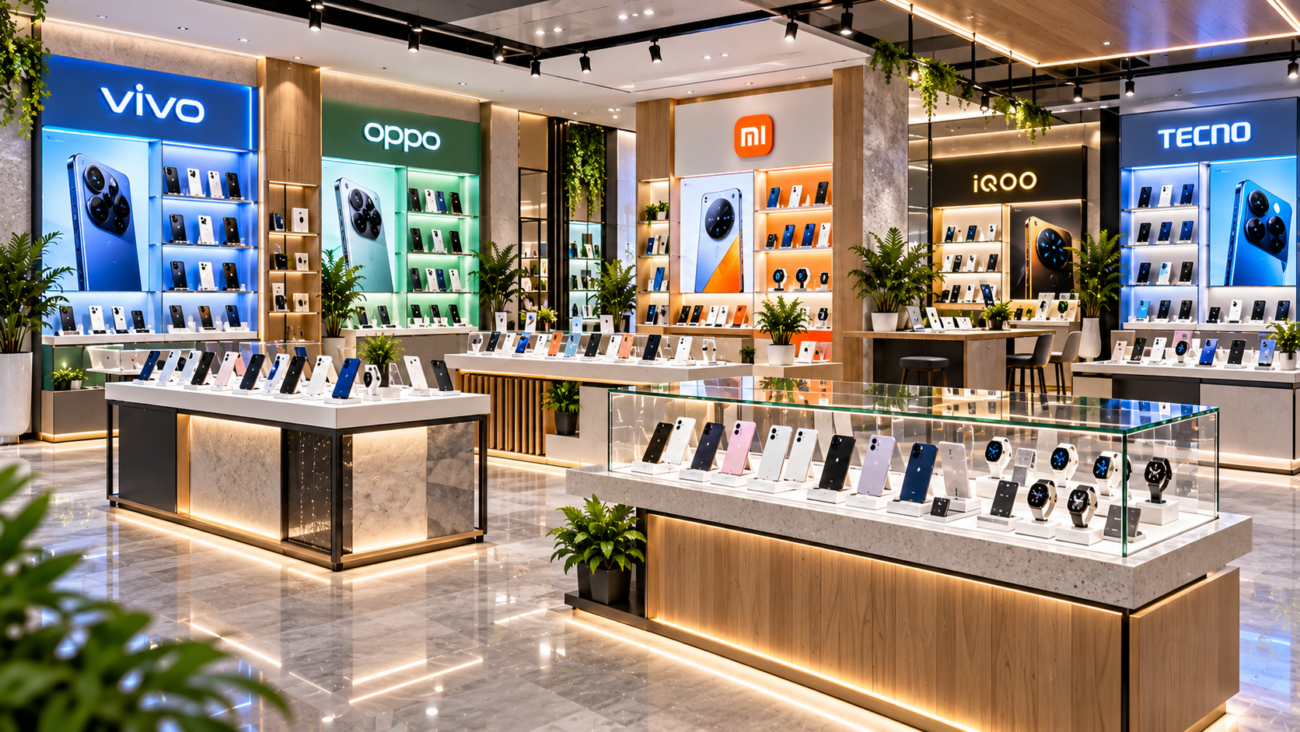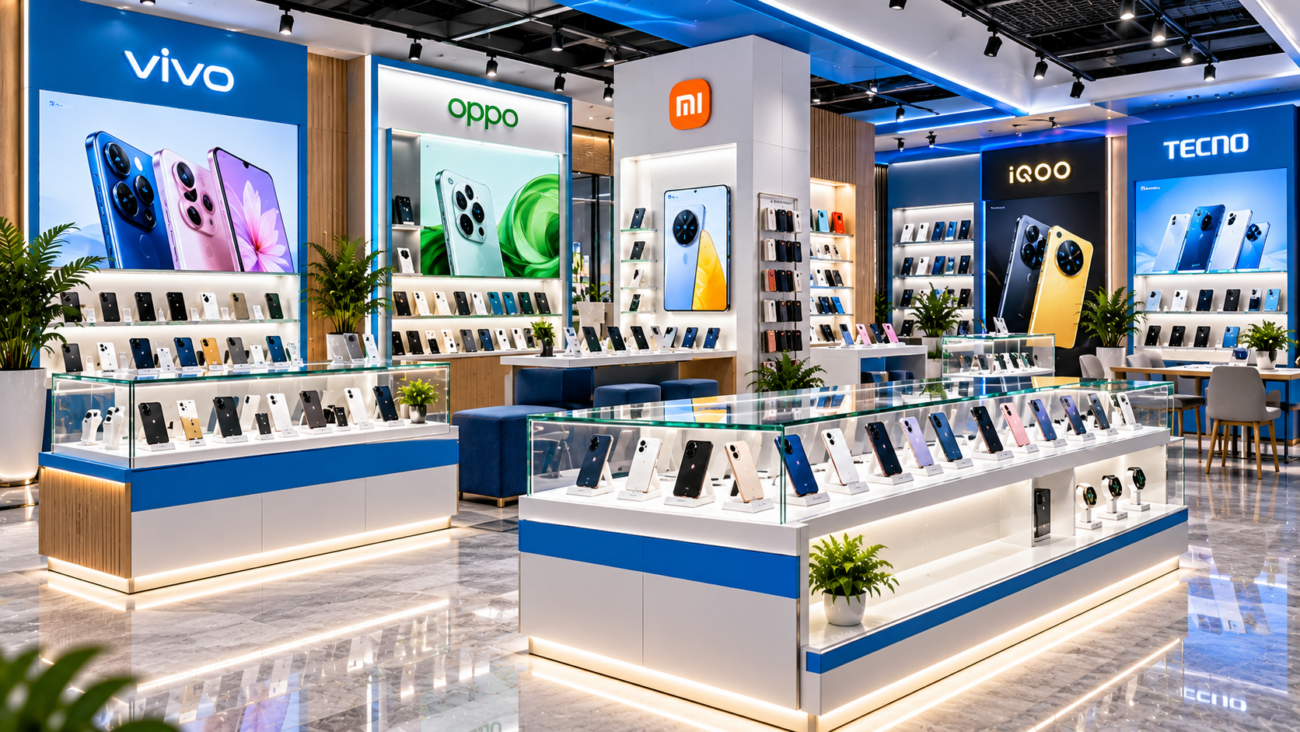


Showcase Material: Complete Guide to Custom Display Manufacturing

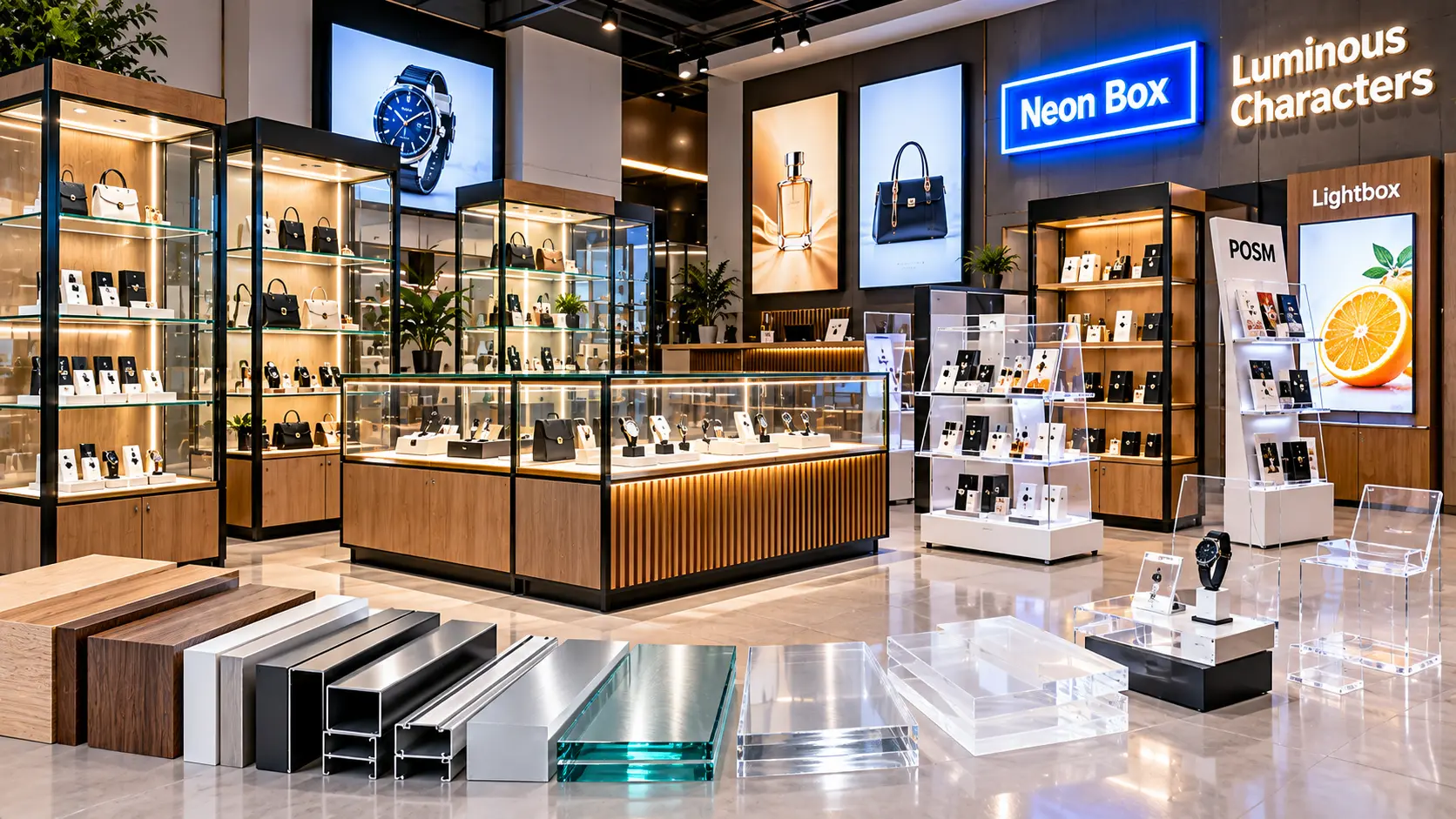
Choosing the right Showcase Material is essential for creating durable, attractive, and functional retail displays. The material affects the appearance, structural strength, product visibility, maintenance requirements, and overall performance of a showcase in commercial environments.
For businesses planning a retail store, showroom, promotional campaign, or commercial interior, selecting the right material helps align product presentation with operational requirements and brand identity.
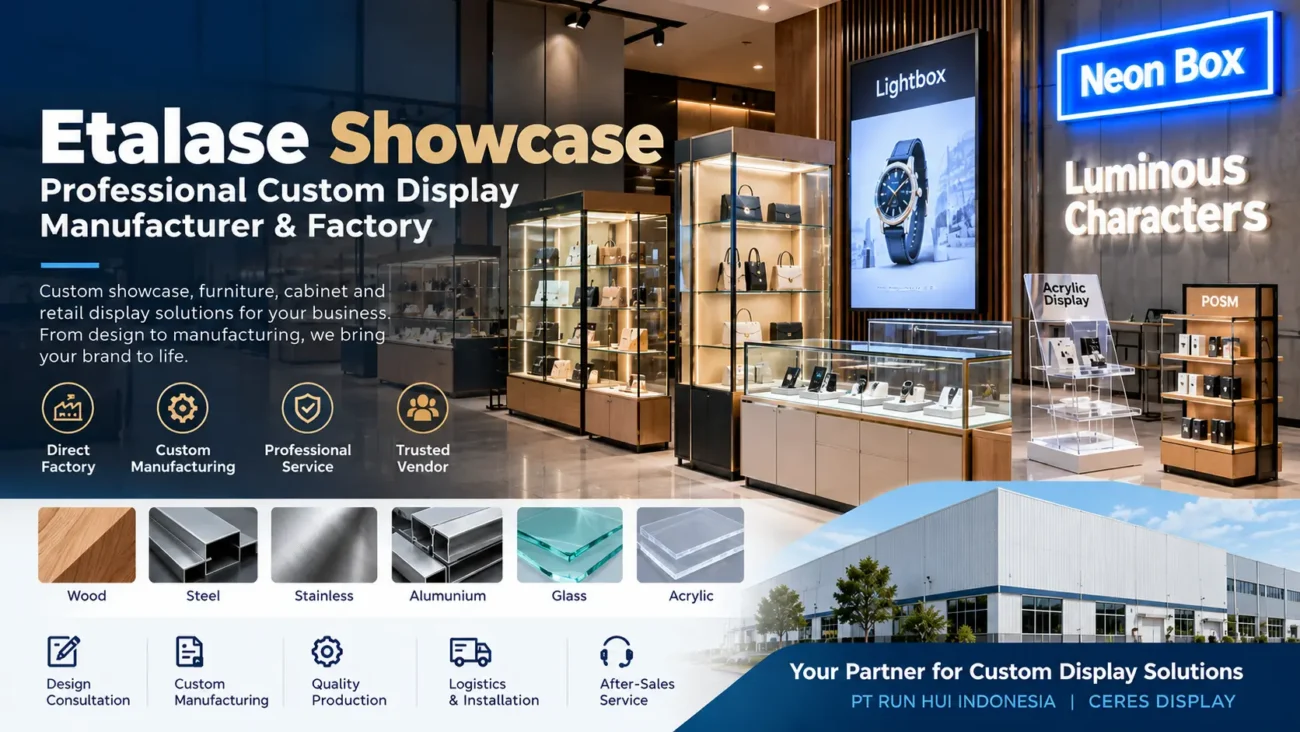
PT Run Hui Indonesia, through Ceres Display, provides custom display manufacturing solutions supported by in-house production capabilities in Balaraja, Tangerang, Indonesia. The company works with commercial display requirements involving showcase units, cabinets, furniture, acrylic displays, POSM, and other retail fixtures.
Whether you need a glass Showcase, an Acrylic display, a Wood cabinet, a Steel structure, or a customized combination of materials, understanding the available options is an important step before starting production.
What Is Showcase Material?
Showcase Material refers to the materials used to manufacture display cabinets, retail showcases, product stands, promotional fixtures, and other commercial display structures.
The appropriate material depends on the intended application, product weight, display dimensions, environment, design concept, and budget.
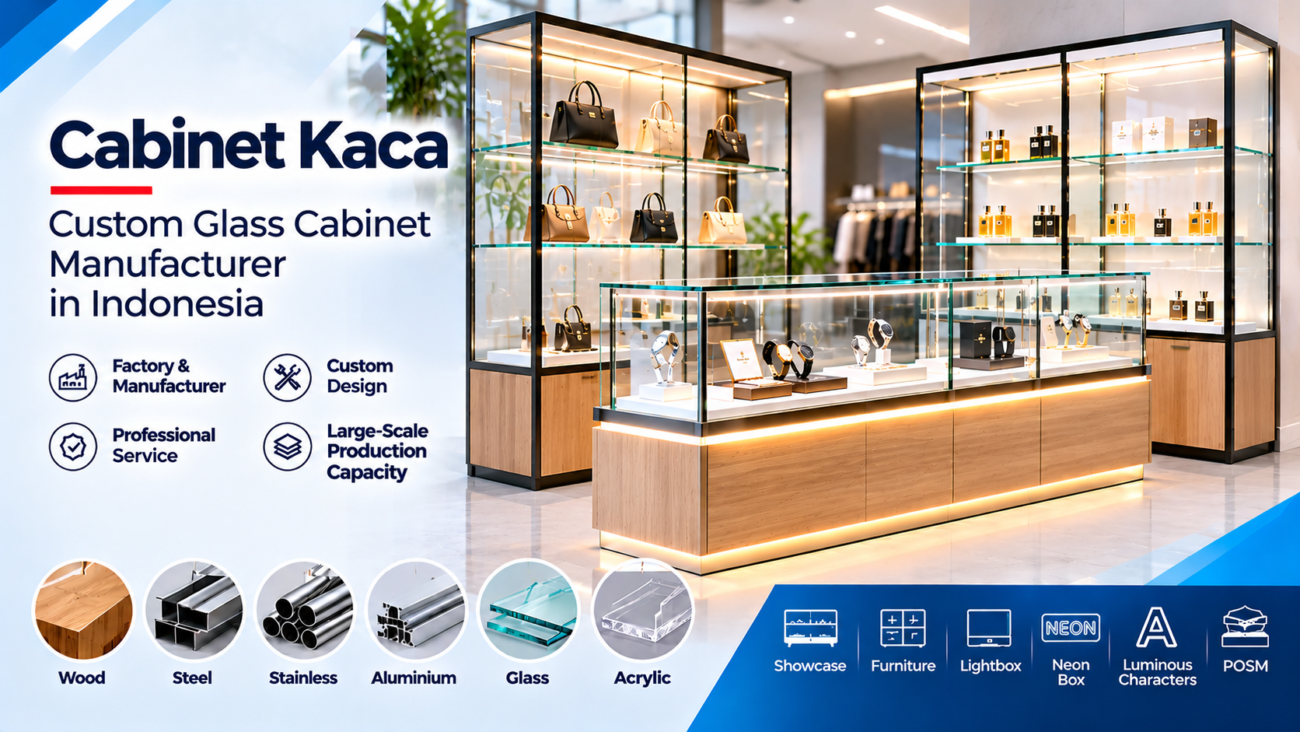
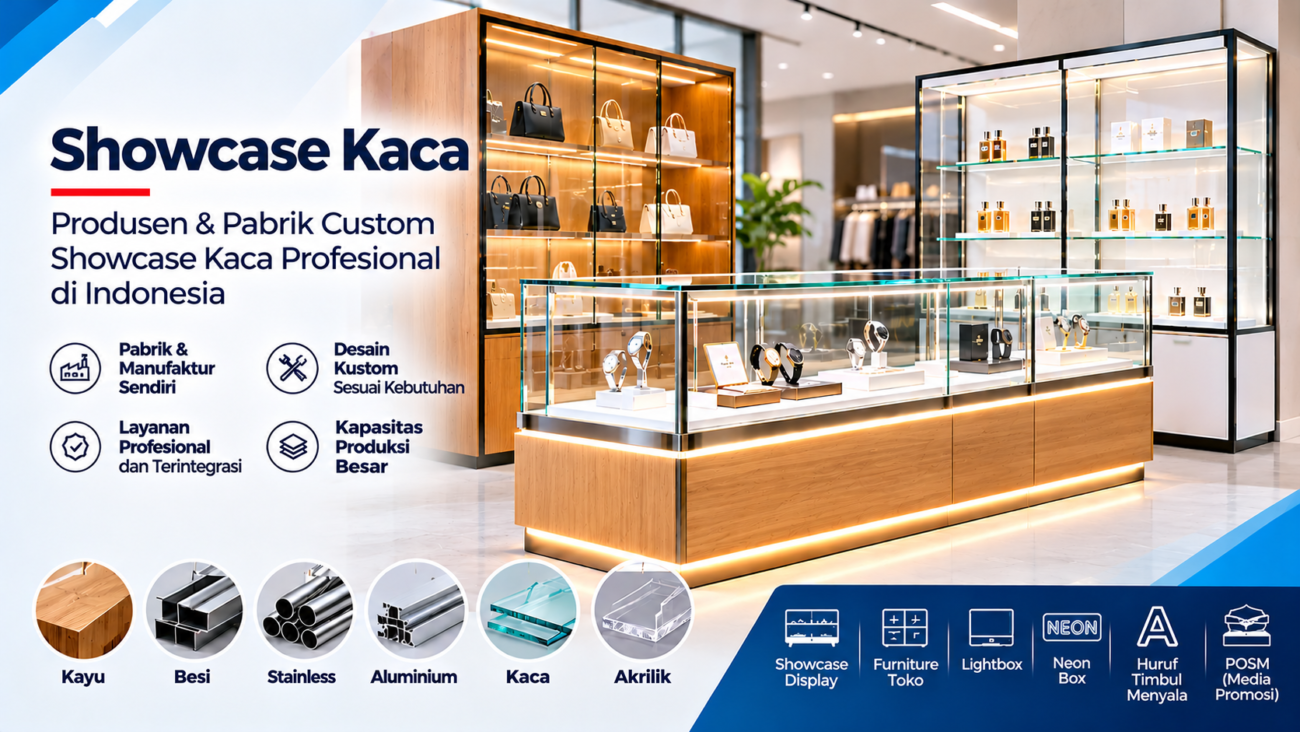
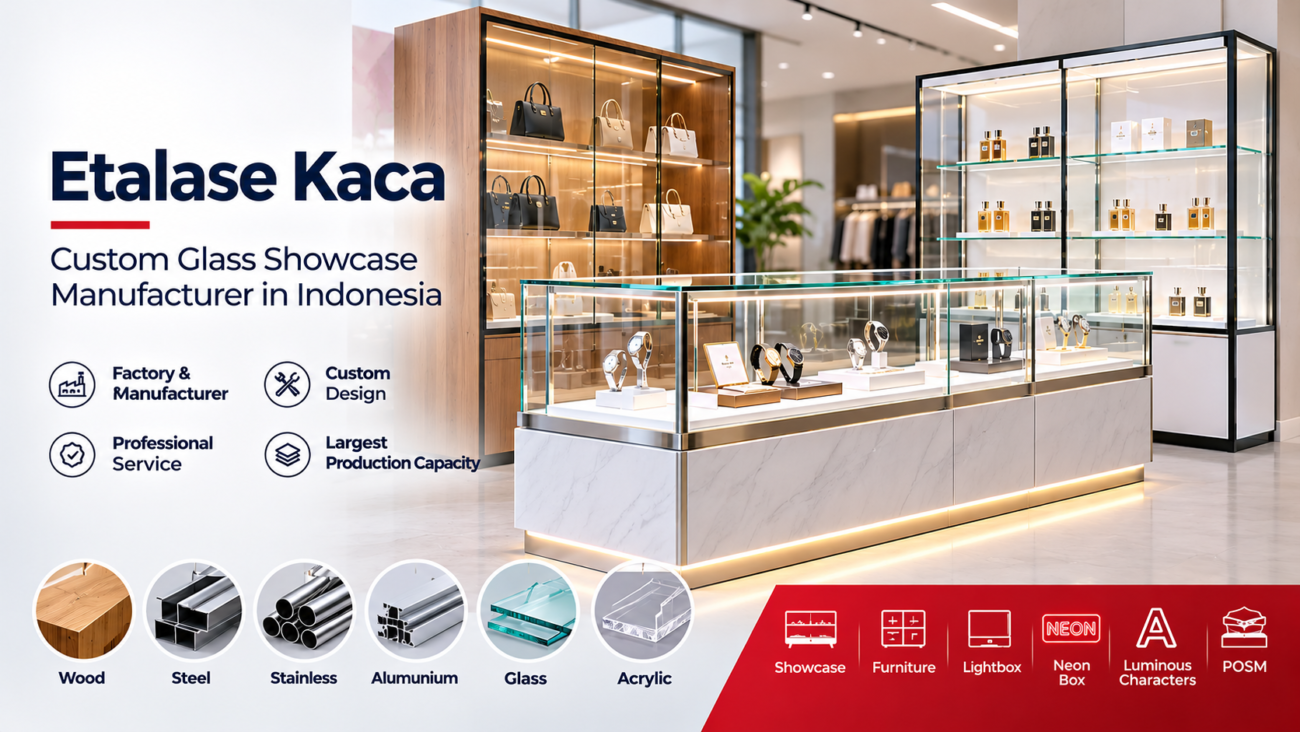
Common materials used in display manufacturing include:
- Glass: For transparent panels and product visibility.
- Acrylic: For lightweight, transparent display components.
- Wood: For cabinets, furniture, counters, and decorative finishes.
- Steel: For structural frames and heavy-duty display applications.
- Stainless Steel: For selected applications requiring a metallic finish and suitable corrosion resistance.
- Aluminium: For lightweight frames and selected structural components.
A custom Showcase can combine several materials to achieve the required balance of appearance, strength, functionality, and cost.
The best solution is not necessarily the most expensive material. It is the material combination that meets the project’s technical and commercial requirements.
Why Is Showcase Material Important?
Material selection influences several aspects of a retail display.
1. Product Visibility
Glass and Acrylic are commonly selected when customers need a clear view of displayed products.
These materials are useful for electronics, cosmetics, accessories, collectibles, and other merchandise that benefits from direct visual presentation.
The choice between them depends on factors such as dimensions, required clarity, scratch resistance, weight, cleaning methods, and the intended environment.
2. Structural Strength
A display must support its intended products safely.
Steel, Stainless Steel, Aluminium, Wood, and engineered panel materials can serve different structural purposes depending on their specifications and construction.
Material thickness, frame design, joint quality, load distribution, and assembly methods are also important.
For heavier products or larger cabinets, the entire structure should be evaluated rather than selecting materials based on appearance alone.
3. Design and Brand Identity
Showcase Material contributes to the overall visual identity of a store.
Wood can create a warm, natural appearance, while metal finishes can support an industrial or contemporary design. Glass and Acrylic can create a more transparent presentation, helping keep the displayed products visually prominent.
For branded retail projects, material selection should be coordinated with the store concept, corporate colors, lighting, and product category.
4. Maintenance and Durability
Different materials require different maintenance methods.
Glass may require frequent cleaning to maintain a clear appearance. Acrylic can be susceptible to scratching if cleaned with unsuitable materials. Wood finishes may require protection against moisture, while metal components need specifications appropriate to their operating environment.
Understanding these requirements before manufacturing helps businesses make more informed purchasing decisions.
Types of Showcase Material for Custom Display Manufacturing
Selecting the right material begins with understanding its properties and practical applications.
1. Glass Showcase Material
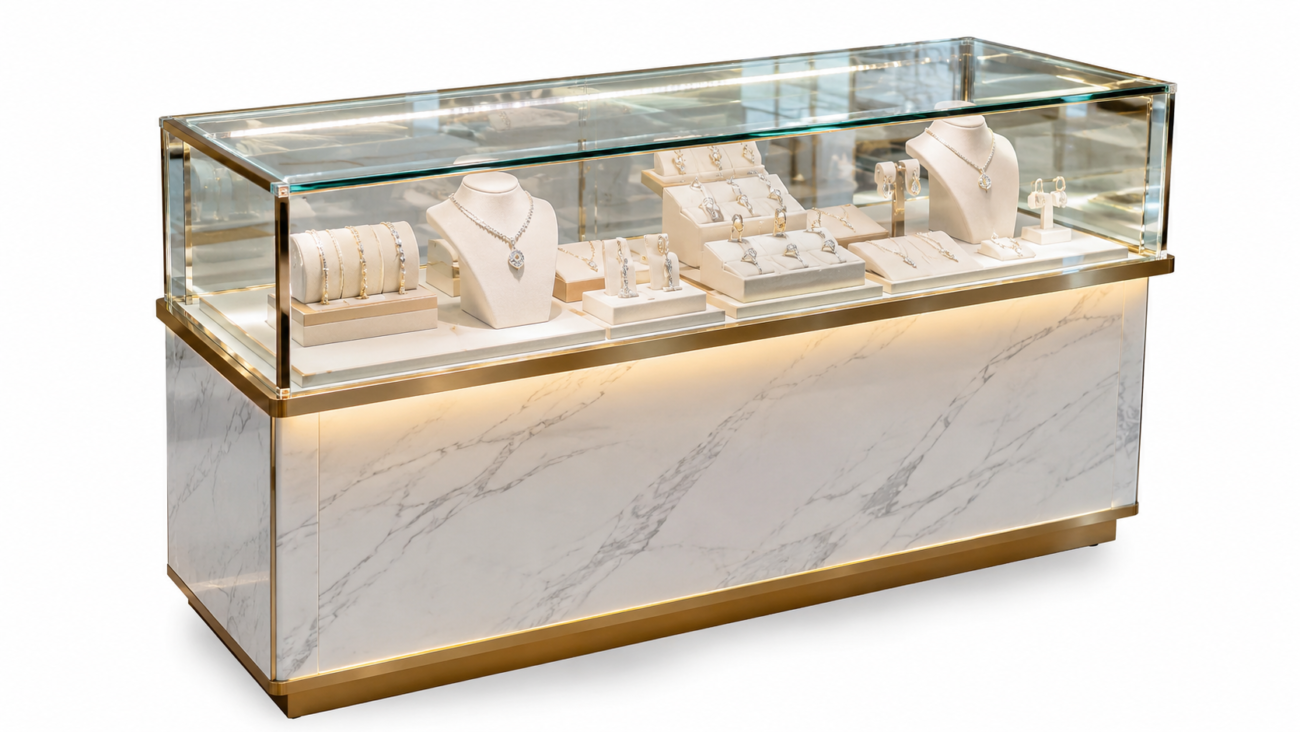
Glass is widely used for showcase panels because it provides transparency and allows products to remain visible.
A Glass Showcase can be suitable for:
- Electronics and accessories.
- Watches and jewelry.
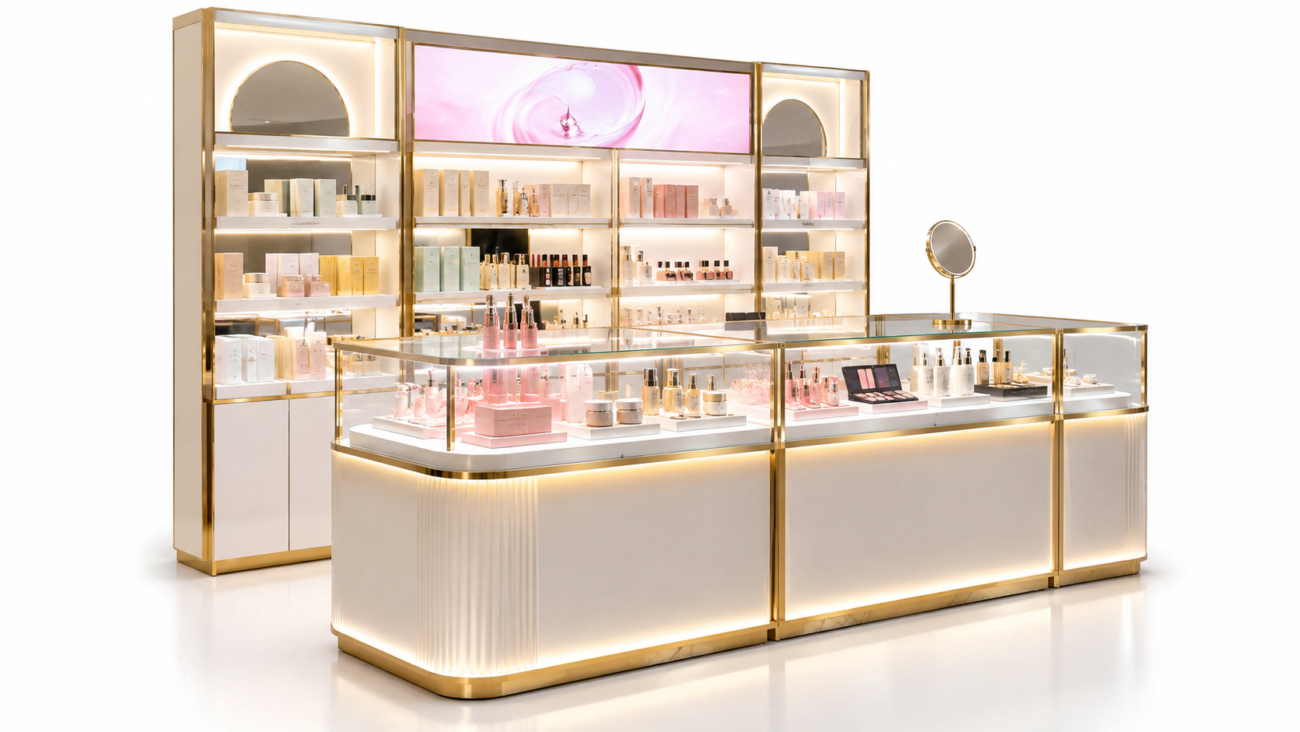
- Cosmetics and beauty products.
- Premium consumer goods.
- Collectibles and specialty merchandise.
- Retail showroom displays.
Glass can be combined with Wood, Steel, Aluminium, or other suitable structural components.
When specifying glass, consider its thickness, dimensions, edge finishing, support system, and safety requirements.
The appropriate glass specification depends on the application and expected loads. Safety glazing may be necessary for particular installations.
2. Acrylic Showcase Material
Acrylic is a transparent plastic material used in display manufacturing for product stands, holders, promotional units, and selected showcase components.
Its relatively low weight and versatility make it useful for custom display designs.
Typical applications include:
- Countertop product displays.
- Cosmetic product holders.
- Brochure and leaflet stands.
- Small retail display fixtures.
- Promotional POSM.
- Transparent product risers.
Acrylic can be fabricated into different shapes and dimensions according to project specifications.
However, acrylic is not identical to glass. Its scratch resistance, thermal behavior, load capacity, and cleaning requirements differ, so the material should be selected according to the intended application.
3. Wood Showcase Material
Wood and engineered wood panels are commonly used in cabinets, retail Furniture, display counters, and decorative structures.
Wood-based materials can create a natural appearance and support different finishes, colors, and surface treatments.
Applications include:
- Display cabinets.
- Retail counters.
- Wall-mounted display units.
- Product shelving.
- Store Furniture.
- Decorative showcase bases.
The selection of solid Wood or engineered panels depends on the desired appearance, structural requirements, environmental conditions, and budget.
Surface finishing and edge treatment should be considered during the design stage to support the intended appearance and maintenance needs.
4. Steel Showcase Material
Steel is frequently used for display structures that require strength and rigidity.
It can be incorporated into frames, shelving systems, support structures, and commercial fixtures.
Common applications include:
- Heavy-duty retail shelving.
- Metal display frames.
- Industrial product displays.
- Storage and display cabinets.
- Commercial fixtures.
- Custom promotional structures.
The suitability of Steel depends on the design, dimensions, loading conditions, surface finish, and operating environment.
Protective coatings or other appropriate finishes may be required to help manage corrosion and maintain appearance.
5. Stainless Steel Showcase Material
Stainless Steel is used in applications where a metallic appearance and corrosion resistance are important considerations.
It may be suitable for selected display counters, decorative components, cabinet details, and commercial fixtures.
The performance of Stainless Steel depends on the grade, surface finish, fabrication quality, cleaning practices, and environment.
It should not automatically be treated as maintenance-free or completely corrosion-proof in every condition.
For custom display projects, the appropriate specification should be selected according to the intended use and expected exposure.
6. Aluminium Showcase Material
Aluminium is a lightweight metal used in frames, profiles, and selected structural components.
Its relatively low weight can be beneficial for display designs that need a balance between portability and structural performance.
Applications include:
- Display frames.
- Modular retail fixtures.
- Selected showcase structures.
- Lightweight product stands.
- Signage frames.
- Custom display systems.
Aluminium can be combined with Glass, Acrylic, Wood, and other materials.
The final design must account for the profile dimensions, connection details, load requirements, and intended installation.
How to Choose the Best Showcase Material
There is no single material that is ideal for every display project. The correct selection depends on the specific requirements of the business.
Consider the Product Being Displayed
Start by identifying the product dimensions, weight, fragility, and presentation requirements.
Small accessories may be suitable for Acrylic displays, while heavier merchandise may require a stronger frame or cabinet structure.
Products requiring high visibility may benefit from Glass or Acrylic panels.
Consider the Display Location
The installation environment can influence material selection.
Indoor retail fixtures may have different requirements from displays installed outdoors or in areas exposed to moisture, heat, dust, or frequent handling.
Material specifications and finishes should reflect the actual conditions of use.
Consider the Required Appearance
A premium retail environment may call for a combination of Glass, Wood, metal finishes, and integrated lighting.
A promotional campaign may instead prioritize portability, repeatable production, and efficient assembly.
The design should support the brand identity without compromising the intended function.
Consider Budget and Production Quantity
Material costs are only one part of the total project cost.
Fabrication complexity, finishing, hardware, packaging, transportation, installation, and maintenance can also affect the overall investment.
For larger orders, standardizing dimensions and material specifications may help simplify production planning.
A manufacturer can evaluate alternative designs to balance appearance, function, and budget.
Consider Maintenance Requirements
Before approving a design, discuss cleaning methods, replacement parts, surface protection, and expected usage.
These considerations are particularly important for displays used daily in busy retail environments.
Custom Showcase Material Combinations
Combining materials can provide greater flexibility in display design.
Glass and Wood
This combination can create a showcase with transparent product panels and a warm, decorative base.
It may be suitable for specialty retail, cosmetics, accessories, and selected premium merchandise.
Glass and Steel
Glass panels combined with a Steel frame can create a contemporary appearance and support an appropriate structural design.
The frame, glass specification, and connection details must be selected for the intended loads.
Acrylic and Aluminium
Acrylic panels combined with Aluminium profiles can be useful for selected lightweight display systems.
This combination can support clean lines and flexible configurations when designed for the required application.
Wood and Metal
Wood combined with Steel, Stainless Steel, or Aluminium can provide a balance between decorative finishes and structural components.
The appropriate combination depends on the display design, expected loading, manufacturing method, and installation environment.
A custom manufacturer can assess these combinations based on the product specifications and the desired final appearance.
Showcase Material for Furniture, Cabinet, and Retail Fixture Projects
Showcase Material selection also applies to other types of commercial display products.
Retail Furniture and Cabinet
Furniture and Cabinet projects may combine Wood panels, metal frames, Glass panels, or Acrylic components.
These products can include cashier counters, storage cabinets, product display furniture, and integrated retail fixtures.
The design should account for access, storage, cleaning, assembly, and the intended product load.
Lightbox and Neon Box
Lightbox and Neon Box products use illuminated graphics or visual elements to support branding and signage.
Material selection depends on the construction, lighting system, mounting method, and installation conditions.
Suitable panel materials, structural components, and finishes should be selected according to the product design and intended environment.
Luminous Characters
Luminous Characters, also called illuminated letters, are used for selected retail signage and brand identification applications.
The material and construction depend on the letter design, lighting method, mounting requirements, and exposure conditions.
Professional planning is important to coordinate the visual result with the technical requirements of the installation.
POSM and Custom Fixture
POSM stands for Point of Sale Materials. It includes promotional displays and branded fixtures used in retail environments.
Custom POSM may incorporate Acrylic, Wood, Steel, Aluminium, printed panels, and other suitable materials.
A manufacturer should evaluate the campaign duration, display quantity, assembly requirements, product dimensions, and transportation needs before production.
Why Work with a Professional Showcase Material Manufacturer?
Working with a professional manufacturer can help businesses coordinate design development, material selection, fabrication, and production planning.
When evaluating a Showcase Material manufacturer, consider the following capabilities.
Material consultation: The ability to discuss material properties and recommend options appropriate to the intended application.
Custom design: The ability to develop displays based on dimensions, brand identity, functional requirements, and project specifications.
Factory production: In-house manufacturing capabilities that support coordination between design and production.
Quality control: Inspection procedures appropriate to the product specifications and agreed quality requirements.
Project coordination: Communication regarding samples, production schedules, packaging, delivery, and installation.
After-sales Service: Support arrangements that are clearly defined according to the project agreement.
These factors are particularly relevant when a company needs multiple displays, repeat orders, or coordinated production for several retail locations.
PT Run Hui Indonesia: Custom Display Factory and Manufacturer
PT Run Hui Indonesia, operating under the Ceres Display brand, provides custom display solutions for commercial and retail applications.
With in-house production capabilities in Balaraja, Tangerang, Indonesia, the company supports projects involving customized display designs and coordinated manufacturing processes.
The company’s display categories include:
- Showcase and display cabinets.
- Retail Furniture and commercial counters.
- Acrylic displays.
- POSM and promotional fixtures.
- Lightbox and Neon Box.
- Signage and selected illuminated display applications.
- Custom retail fixtures and related display products.
The manufacturing approach can include design consultation, sample development where required, production, logistics coordination, installation, and after-sales support according to the agreed project scope.
For businesses seeking a Factory, Manufacturer, or Vendor for custom display projects, PT Run Hui Indonesia can discuss material options and production requirements based on the proposed design.
For larger projects, customers should confirm production capacity, order quantities, delivery schedules, quality specifications, and installation arrangements directly with the sales team.
The company aims to support professional display manufacturing through coordinated project discussions and customized solutions.
Is PT Run Hui Indonesia Suitable for Large-Scale Display Projects?
Businesses planning a multi-location retail rollout, promotional campaign, showroom development, or large commercial project may require consistent product specifications and coordinated manufacturing.
Before choosing a supplier, assess the production capacity required, the complexity of the design, the delivery schedule, the quality requirements, and the number of units.
PT Run Hui Indonesia provides custom display manufacturing capabilities for commercial projects. The suitability of a particular order depends on its specifications, volume, production requirements, and agreed timeline.
If your project requires a large quantity of displays, provide the anticipated order volume and target delivery date when requesting a quotation.
The term “largest manufacturer” should only be used as a factual claim when supported by verifiable comparative evidence. Businesses can instead evaluate manufacturers based on documented capacity, production facilities, technical capabilities, and project requirements.
Frequently Asked Questions About Showcase Material
1. What is the best material for a retail showcase?
The best material depends on the products being displayed, the required appearance, the expected load, the installation environment, and the budget. Glass and Acrylic support product visibility, while Wood and metals can provide decorative or structural components.
2. Is Acrylic better than Glass for display cabinets?
Neither material is universally better. Acrylic is generally lighter and can be fabricated into different shapes, while Glass provides different optical, scratch-resistance, and maintenance characteristics. The correct choice depends on the application and design specifications.
3. Can different materials be combined in a custom showcase?
Yes. Glass, Acrylic, Wood, Steel, Stainless Steel, and Aluminium can be combined in suitable designs. The combination must account for structural support, connections, fabrication methods, and the intended operating environment.
4. Does PT Run Hui Indonesia manufacture custom showcases?
PT Run Hui Indonesia provides custom display manufacturing solutions for commercial and retail applications. Contact the sales team to discuss your design, material preferences, quantity, and project requirements.
5. Can I request a specific material for my display project?
Yes. You can communicate your preferred material and intended application when requesting a quotation. The manufacturer can discuss the suitability of the material based on the required specifications.
6. Does Showcase Material selection affect the total project cost?
Yes. Material costs, thickness, fabrication complexity, finishing, hardware, packaging, transportation, and installation can affect the total project cost.
7. Can a display manufacturer handle large orders?
The ability to handle large orders depends on production capacity, design complexity, material availability, order volume, and delivery requirements. Confirm these details with the manufacturer before finalizing the project.
8. How do I request a custom display quotation?
Prepare your reference images, dimensions, quantity, preferred materials, intended application, and delivery location. Contact PT Run Hui Indonesia through WhatsApp or email to discuss the requirements and request a quotation.
Contact PT Run Hui Indonesia for Custom Showcase Manufacturing
Looking for a professional Showcase Material manufacturer, custom display factory, or retail fixture vendor in Indonesia?
Contact PT Run Hui Indonesia to discuss your requirements for showcases, cabinets, furniture, Acrylic displays, POSM, Lightbox, Neon Box, and other custom display solutions.
Company: PT Run Hui Indonesia
Brand: Ceres Display
Address: Kawasan Industri Cidurian, Jalan Unggul Pasir Bolang, Sentul, Kec. Balaraja, Kabupaten Tangerang, Banten 15720, Indonesia.
Telephone: 021-38272008
WhatsApp: 0282319999169
Email: sales@ceresdisplay.id
Request a Custom Display Quotation
Share your design references, material preferences, dimensions, order quantity, and delivery requirements with the sales team.
[CONTACT US VIA WHATSAPP]
Follow Ceres Display for product references and company updates:
- Instagram: https://www.instagram.com/ceresdisplay.id/
- Facebook: https://www.facebook.com/ceresdisplay.id/
- TikTok: https://www.tiktok.com/@ceresdisplay.id
- YouTube: https://www.youtube.com/@ceresdisplayid
PT Run Hui Indonesia — Your Partner for Professional Custom Display Manufacturing.