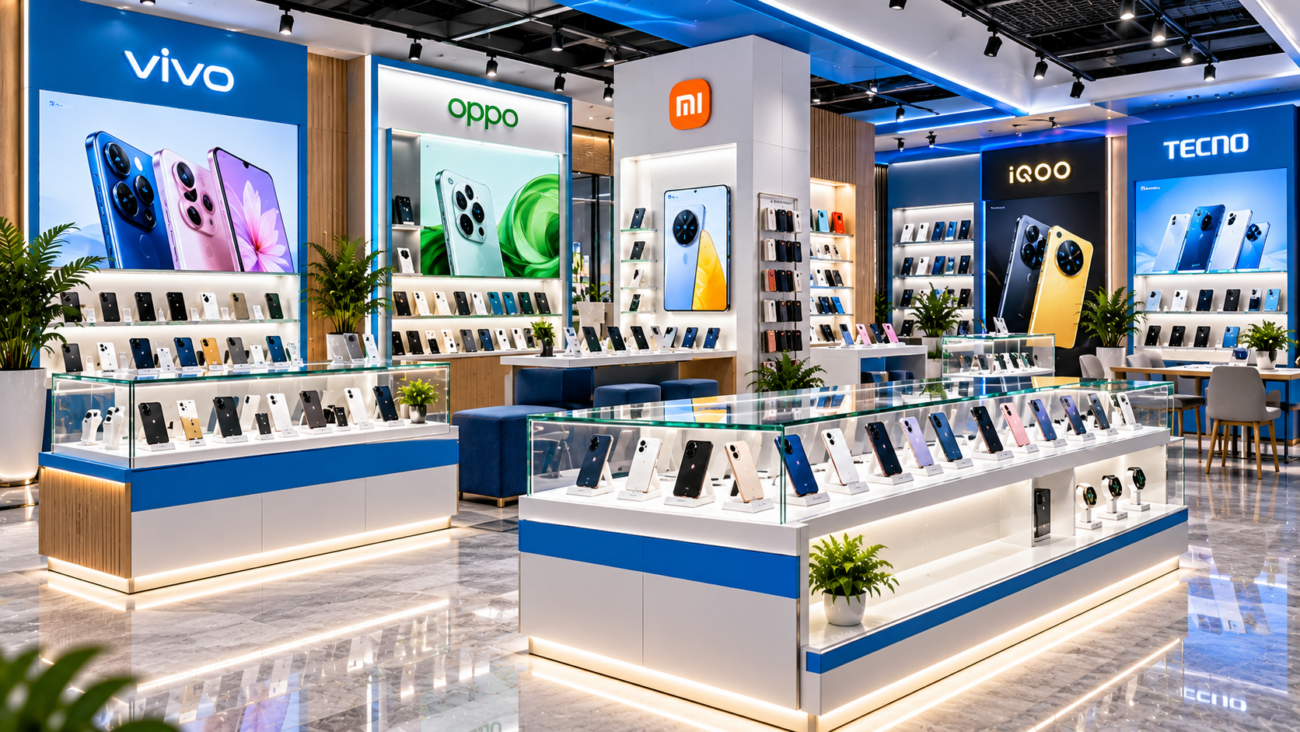


Custom Furniture Factory for Retail and Commercial Projects

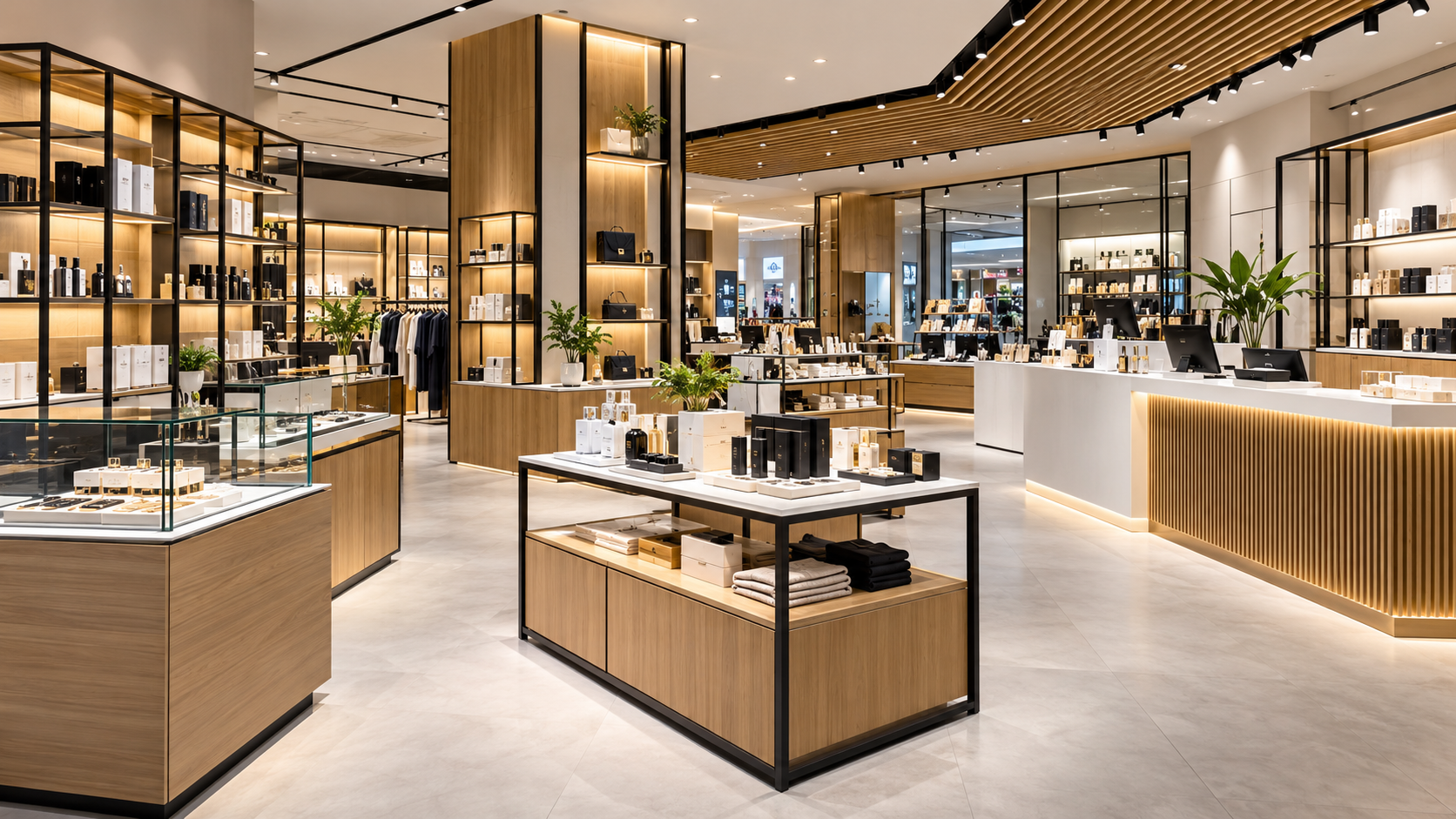
Choosing the right custom furniture factory is essential for businesses that need functional, durable, and visually consistent furniture for retail stores, showrooms, offices, and other commercial environments. Unlike standard ready-made furniture, custom furniture can be designed around specific dimensions, brand identities, operational requirements, and interior layouts.
For businesses managing retail fit-outs, commercial interiors, or multi-location projects, working directly with a furniture manufacturer provides greater flexibility in design coordination, material selection, production planning, and product customization.
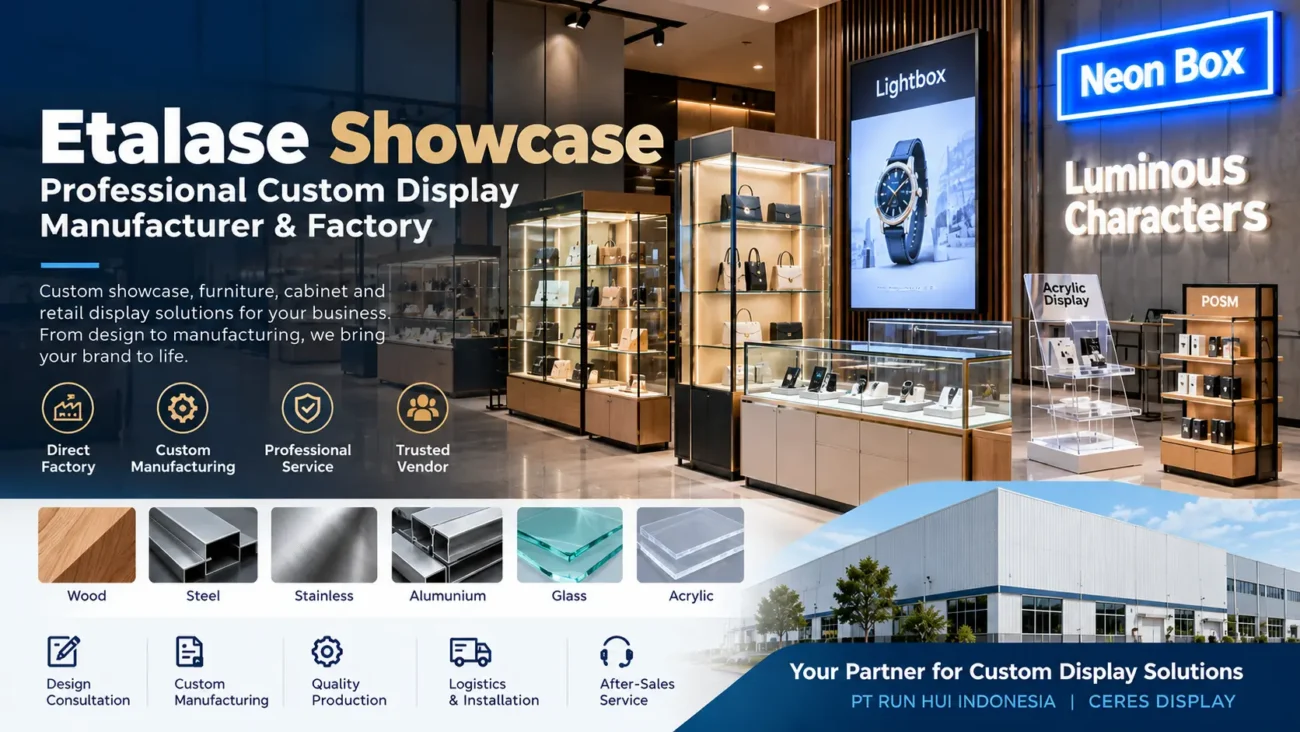
PT Run Hui Indonesia provides custom manufacturing solutions for businesses seeking furniture tailored to their project specifications. From initial design coordination to sampling, production, logistics, and installation support, a factory-direct approach helps streamline the process of developing furniture for commercial applications.
What Is a Custom Furniture Factory?
A custom furniture factory manufactures furniture according to a client’s specific requirements rather than relying exclusively on standard product dimensions and designs.
Customization may include furniture dimensions, structural configurations, surface finishes, materials, colors, storage compartments, hardware, and branding elements. These options allow businesses to develop furniture that fits their available space and supports their operational needs.
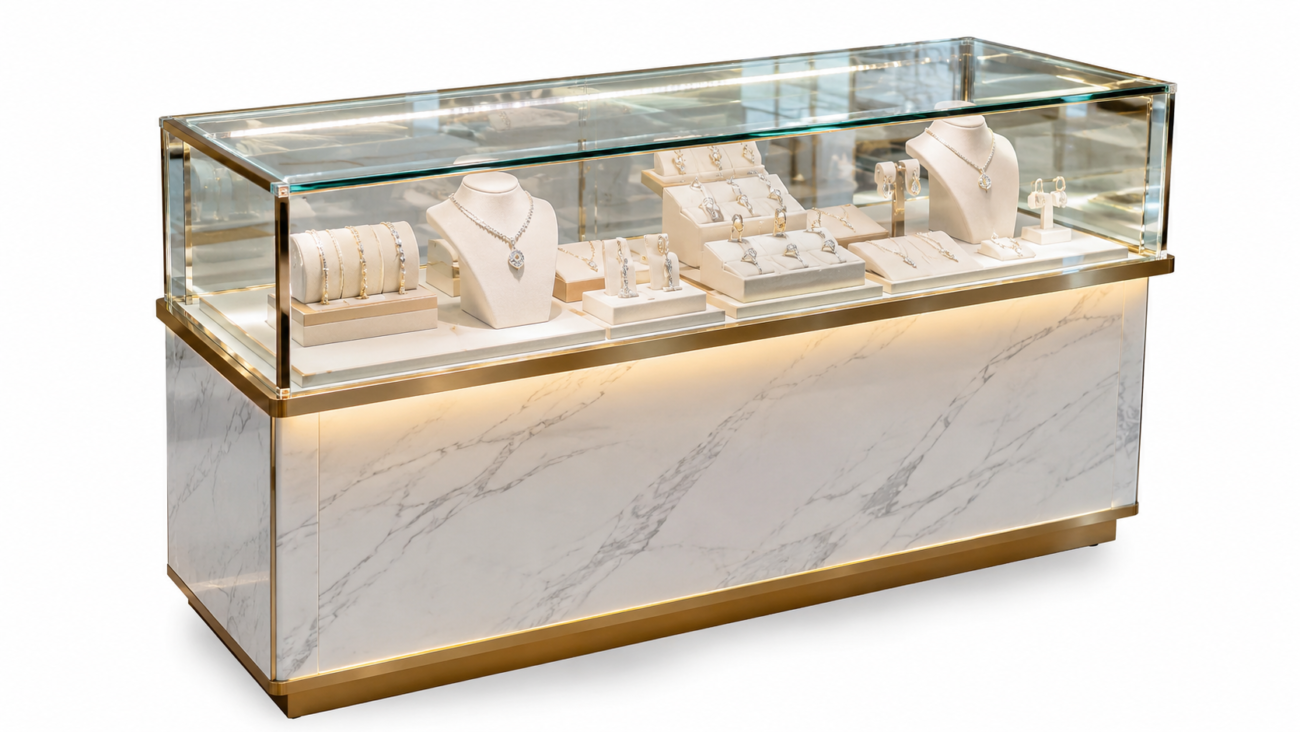
For commercial projects, custom furniture can include retail counters, reception desks, display cabinets, shelving systems, showroom furniture, office tables, and other made-to-order fixtures.
By working with a furniture manufacturer, businesses can coordinate product specifications before production begins. This is particularly important for projects that require multiple furniture units, consistent finishes, or specific installation dimensions.
Why Choose a Custom Furniture Manufacturer for Commercial Projects?
Selecting a suitable commercial furniture factory involves more than comparing product prices. Businesses should consider manufacturing capabilities, material options, customization flexibility, quality control, and the ability to coordinate production with project requirements.
1. Furniture Designed for Your Business Requirements
Every commercial environment has different functional requirements. A retail store may need product display counters and organized shelving, while a showroom may require presentation tables, storage cabinets, and furniture that complements its interior design.
Custom furniture allows businesses to specify dimensions, layouts, finishes, and configurations according to their intended use.
This approach helps maximize available space while maintaining a consistent appearance throughout the project.
2. Flexible Material and Finish Selection
Material selection affects furniture durability, appearance, maintenance requirements, and overall project costs.
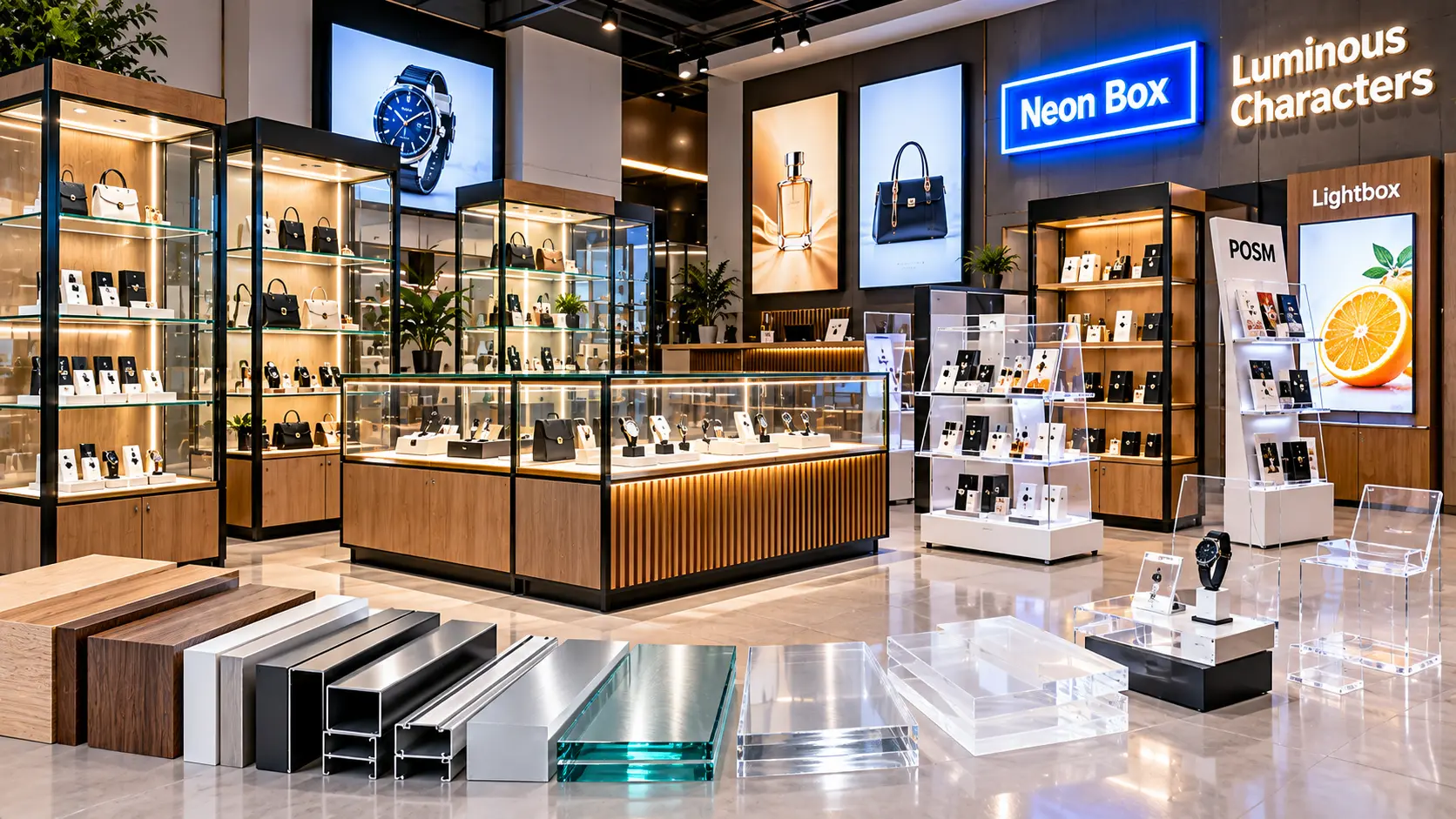
Depending on the design and intended application, custom furniture may incorporate materials such as engineered wood, solid wood, metal frames, laminates, acrylic components, glass, or combinations of different materials.
A furniture manufacturer can help coordinate material specifications with the project’s functional requirements, design preferences, and budget considerations.
For high-traffic commercial environments, selecting appropriate surface finishes and structural materials is especially important.
3. Consistent Furniture Across Multiple Locations
Businesses operating several retail stores, showrooms, or commercial facilities often need furniture with standardized dimensions and finishes.
Working with a manufacturing partner makes it easier to establish consistent specifications for repeat orders and multi-location projects.
Standardized drawings, material references, and approved samples can help maintain visual consistency across different production batches.
This is particularly valuable for retail chains, franchise operators, and businesses expanding their physical locations.
4. Made-to-Order Production
Made-to-order furniture provides greater flexibility than purchasing standard furniture that may not match the project’s requirements.
Businesses can communicate their preferred dimensions, quantities, materials, finishes, and functional features before manufacturing begins.
Production planning can then be coordinated around approved specifications and agreed project schedules.
For larger orders, businesses should confirm production capacity, lead times, quality control procedures, and delivery arrangements before proceeding.
5. Better Coordination Between Design and Manufacturing
Commercial furniture projects often involve several parties, including designers, contractors, procurement teams, and business owners.
Clear communication between these parties and the manufacturer helps reduce misunderstandings during production.
Design drawings, technical specifications, material samples, and approval procedures provide a practical foundation for coordinating project requirements.
When necessary, prototype or sample production can help verify dimensions, finishes, construction details, and functionality before the main production run.
Custom Commercial Furniture for Different Industries
A custom furniture factory can support a wide range of business environments. The appropriate furniture design depends on the intended application, available space, product requirements, and overall project concept.
Retail Stores and Shops
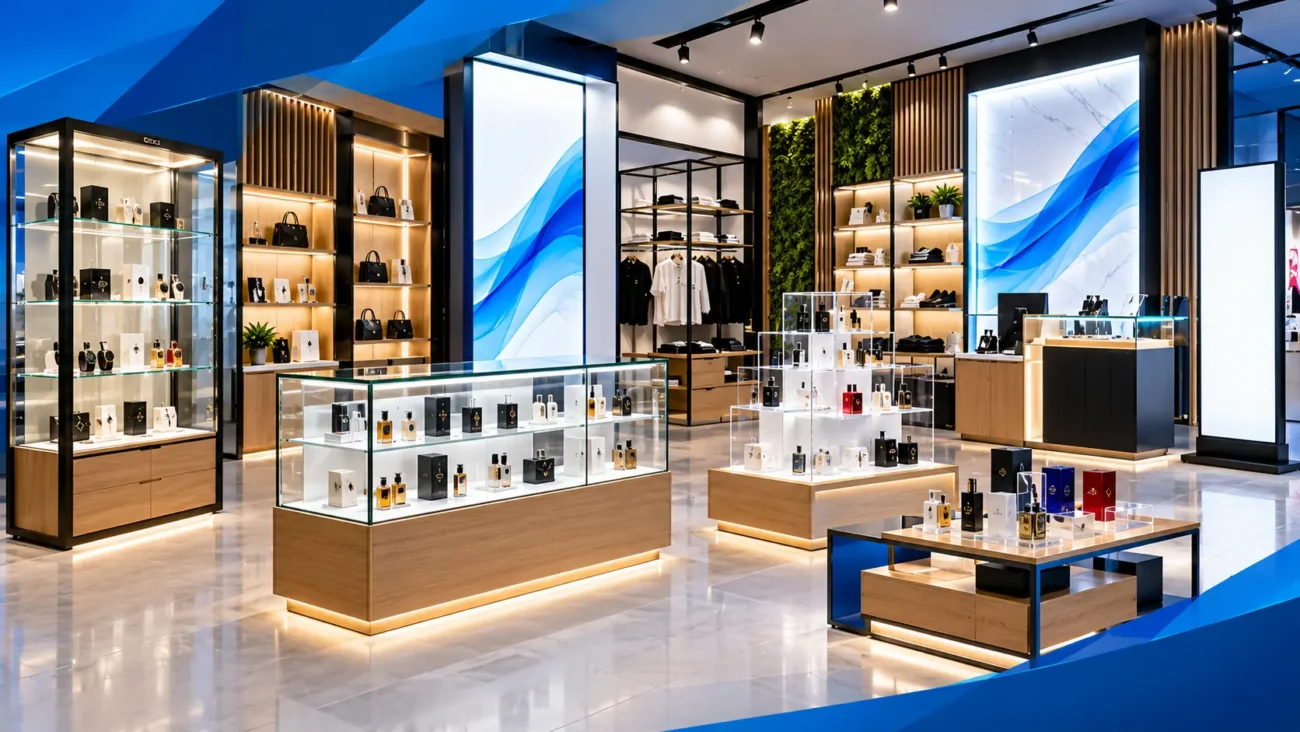
Retail furniture helps organize merchandise, improve product visibility, and support daily store operations.
Common applications include:
- Custom retail counters
- Point-of-sale counters
- Product display shelving
- Wall-mounted display systems
- Storage cabinets
- Promotional display furniture
- Checkout counters
- Custom merchandising fixtures
Retail furniture can be developed to complement store layouts while providing practical access to products and storage areas.
Showrooms and Brand Experience Spaces
Showrooms require furniture that presents products clearly and supports customer interaction.
Custom showroom furniture may include display tables, product presentation units, storage cabinets, reception counters, and demonstration stations.
Dimensions, finishes, and structural configurations can be coordinated with the showroom layout to create a cohesive presentation environment.
For businesses with established visual identities, furniture finishes and design details can also be coordinated with the wider interior concept.
Offices and Corporate Interiors
Commercial office furniture supports daily operations, employee activities, and visitor interactions.
Possible applications include:
- Custom reception desks
- Office workstations
- Meeting tables
- Storage cabinets
- Conference room furniture
- Collaborative work tables
- Built-in storage solutions
Custom dimensions can help businesses make better use of available floor space while accommodating specific equipment and workflow requirements.
Hospitality and Commercial Facilities
Hotels, restaurants, service centers, and other commercial facilities may require furniture designed for particular operational conditions.
Examples include reception counters, service desks, storage units, dining tables, and specialized work surfaces.
Material selection and construction specifications should reflect the intended environment, expected usage, maintenance needs, and applicable safety requirements.
Types of Custom Furniture Available
Commercial furniture requirements vary depending on the project scope. A manufacturing partner may produce individual furniture units or coordinate several product types within a larger project.
Custom Retail Furniture
Custom retail furniture is developed to support merchandising, customer service, product presentation, and store operations.
Typical products include retail counters, checkout stations, shelving units, display tables, and storage furniture.
Custom Display Furniture
Display furniture helps businesses present products in an organized and accessible manner.
Design options may include open shelving, enclosed cabinets, tiered display units, integrated storage, and customized presentation surfaces.
Custom Reception Desks
A custom reception desk can be designed around the available entrance space, staff requirements, visitor flow, storage needs, and interior concept.
Businesses can specify counter dimensions, cable management, storage compartments, material finishes, and other functional features.
Custom Commercial Tables
Commercial tables can be manufactured for meetings, product demonstrations, customer consultations, workstations, and showroom presentations.
Dimensions, frame structures, tabletop materials, and surface finishes can be selected according to the intended application.
Custom Wood Furniture and Metal Frames
Different furniture components require different material characteristics.
Wood-based materials may provide a range of surface finishes and design possibilities, while metal frames can support specific structural configurations.
Combining these materials can create furniture that balances appearance, functionality, and structural requirements.
The final material specification should be determined by the design, loading requirements, environment, and intended use.
Our Custom Furniture Manufacturing Process
A structured manufacturing workflow helps businesses move from initial concepts to finished furniture with clearer specifications and approval stages.
At PT Run Hui Indonesia, project coordination can follow a process covering design, sampling, production, logistics, installation, and after-sales support, depending on the agreed project scope.
Step 1: Design Coordination
The process begins with understanding the project’s requirements.
Clients can provide reference images, drawings, dimensions, quantities, material preferences, and intended applications. These details help establish the initial product specifications.
The design coordination stage also identifies practical considerations such as installation access, storage requirements, and compatibility with the surrounding interior.
Step 2: Sample Development
When required, a sample or prototype can be developed to evaluate important product details before mass production.
The sample review may cover dimensions, materials, surface finishes, structural details, and overall appearance.
Any necessary revisions should be agreed upon before the final specifications are approved.
Step 3: Production
After the design and specifications are approved, the project proceeds to production according to the agreed scope and schedule.
Production planning should account for quantities, material availability, manufacturing requirements, and quality control checkpoints.
Clear specifications help establish a consistent reference for the finished furniture.
Step 4: Logistics and Delivery
Completed furniture is prepared for delivery according to the project’s logistics requirements.
Planning may include packaging, shipment coordination, delivery schedules, and site access arrangements.
For larger commercial projects, delivery sequencing can be coordinated with the installation schedule and site readiness.
Step 5: Installation Coordination
Some projects require on-site assembly or installation, particularly when furniture includes multiple components or must fit a specific interior layout.
Installation requirements should be established during project planning so that dimensions, access conditions, and site preparations can be coordinated in advance.
The availability and scope of installation services should be confirmed for each project.
Step 6: After-Sales Support
After-sales support provides a channel for addressing questions or concerns after delivery and installation.
Businesses should clarify the applicable support process, warranty conditions, and responsibilities for any adjustments or repairs before confirming an order.
A clearly defined support arrangement can help simplify post-delivery coordination.
How to Choose the Right Custom Furniture Factory
Before selecting a furniture manufacturing partner, businesses should evaluate several factors to determine whether the supplier is suitable for their requirements.
Manufacturing capabilities: Confirm whether the factory can produce the required furniture types, dimensions, materials, and quantities.
Customization options: Ask about available materials, surface finishes, structural configurations, hardware, and design modifications.
Sample and approval procedures: Establish how prototypes, material samples, technical drawings, and final specifications will be reviewed.
Quality control: Understand how materials, dimensions, construction quality, and finished products are inspected.
Production lead times: Request a realistic schedule based on project complexity, order quantity, material availability, and manufacturing capacity.
Commercial terms: Review quotations, payment terms, packaging, delivery charges, installation costs, and any additional project expenses.
Communication and support: Choose a manufacturer that can coordinate specifications, communicate production updates, and clarify responsibilities throughout the project.
Comparing these factors helps procurement teams evaluate suppliers based on overall project suitability rather than price alone.
What Affects the Cost of Custom Commercial Furniture?
The cost of custom furniture depends on several variables. Because made-to-order products are manufactured according to specific requirements, pricing generally needs to be evaluated against the actual project specifications.
Important cost factors include:
- Dimensions and design complexity: Larger furniture units or complex configurations may require more materials and manufacturing time.
- Material selection: Different wood-based panels, solid wood, metals, laminates, and other components have different costs.
- Surface finishes: Specialized finishes, colors, textures, and decorative treatments can affect production expenses.
- Hardware and accessories: Hinges, drawer systems, fittings, lighting components, and other accessories may influence the final quotation.
- Order quantity: Production quantities can affect material purchasing, setup costs, and manufacturing efficiency.
- Sampling and revisions: Prototype development and design changes may introduce additional costs.
- Packaging and logistics: Delivery distance, packaging requirements, shipment volume, and site access can affect total project expenses.
- Installation requirements: Assembly, site preparation, and installation work should be included when applicable.
To obtain a more accurate quotation, businesses should provide the manufacturer with drawings or reference images, dimensions, estimated quantities, preferred materials, delivery location, and target completion date.
A detailed quotation makes it easier to compare suppliers and identify opportunities to optimize project costs without compromising essential functional requirements.
Why Work with PT Run Hui Indonesia?
PT Run Hui Indonesia supports businesses seeking customized display and furniture solutions for commercial applications.
For projects requiring furniture tailored to particular dimensions, materials, finishes, and operational needs, early coordination between the client and manufacturer helps establish clear expectations before production begins.
A coordinated project workflow can help connect design requirements, sampling, manufacturing, logistics, and installation planning within a defined process.
Businesses evaluating a custom furniture factory should begin by identifying the intended application, required product specifications, order quantities, and project schedule.
These details provide a practical starting point for assessing manufacturing feasibility and preparing a project quotation.
Request a Custom Furniture Quotation
Planning a retail store fit-out, showroom renovation, office interior, or commercial furniture project?
PT Run Hui Indonesia can discuss your requirements for made-to-order furniture and customized commercial solutions.
To help prepare a project quotation, share the following information:
- Project type and intended application
- Furniture drawings, reference images, or design concepts
- Required dimensions and materials
- Estimated order quantities
- Preferred finishes and functional features
- Delivery location and target completion date
Providing these details helps establish the project scope and supports a more informed discussion about specifications, production requirements, and estimated costs.
Contact PT Run Hui Indonesia through CERESDISPLAY to discuss your requirements. Share your design references, dimensions, preferred materials, quantity, and project timeline so the team can review the proposed scope and discuss the next steps.
CONTACT US
Related Products
Explore a wide range of custom display, signage, furniture, and branding solutions from CERESDISPLAY.ID.
Showcase Display | Store Furniture | Neon Box | 3D Letters | Acrylic Display | Outdoor POSM | Clothing & Garments
Connect with CERESDISPLAY.ID
Explore our manufacturing portfolio, latest projects, workshop activities, and company updates through our social media channels.