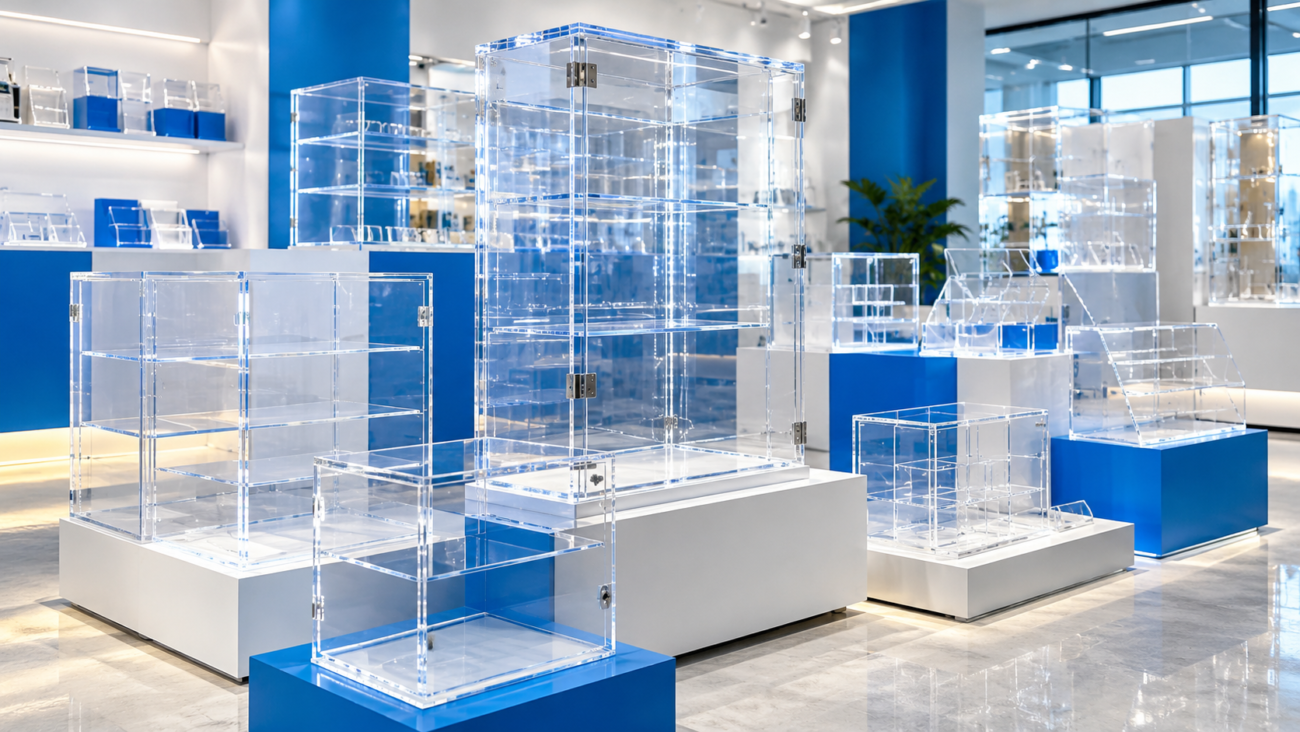


Cabinet Manufacturer and Professional Cabinet Production


Custom cabinets play an important role in commercial interiors, retail environments, product presentation, and organized storage. Beyond providing storage space, a well-designed cabinet can support daily operations, improve space utilization, and create a consistent appearance across business facilities.
Choosing a suitable custom cabinet manufacturer helps businesses translate their requirements into practical products with defined dimensions, materials, finishes, and functional features. From retail furniture and display cabinets to commercial storage units, the manufacturing approach should reflect the intended application and project specifications.
PT Run Hui Indonesia, through CERESDISPLAY, supports business enquiries for customized display and furniture solutions. Cabinet requirements can be discussed according to the intended use, design references, material preferences, quantities, and project conditions.
What Is a Custom Cabinet Manufacturer?
A custom cabinet manufacturer develops cabinets according to specific customer requirements rather than relying exclusively on standard sizes and configurations. This approach allows businesses to determine cabinet dimensions, internal compartments, door styles, shelving arrangements, materials, colours, and finishing details.
Custom cabinet production can serve a variety of applications, including retail stores, showrooms, offices, commercial facilities, and specialized storage environments. Depending on the design, cabinets may be developed as standalone units or integrated into larger furniture and display systems.
For businesses that require multiple units, documented drawings and approved specifications can provide a reference for repeat production. Consistency depends on the agreed manufacturing process, material specifications, component quality, and inspection requirements.
Types of Custom Cabinets for Commercial Applications
Different business environments require different storage configurations, structural designs, and access arrangements. Identifying the primary function of a cabinet helps determine the most suitable design and material options.
1. Commercial Storage Cabinets
Commercial storage cabinets help organize supplies, equipment, accessories, documents, and other operational items. Their configurations can include enclosed compartments, adjustable shelves, drawers, and lockable sections.
When developing a storage cabinet, consider the dimensions and weight of the items, frequency of access, available floor space, and required storage capacity. These factors help determine the cabinet dimensions, internal layout, and appropriate construction.
2. Display Cabinets and Showcases
Display cabinets are designed to present products while maintaining an organized arrangement. They are commonly considered for retail stores, showrooms, promotional areas, and other commercial spaces.
Depending on the application, a cabinet may feature glass doors, acrylic panels, open shelves, enclosed storage, or a combination of transparent and solid materials.
For products that require additional visibility, lighting can also be considered. Its placement, electrical access, cable routing, and maintenance requirements should be evaluated during the design stage.
3. Retail Furniture Cabinets
Retail furniture cabinets can be incorporated into checkout counters, service desks, consultation areas, and back-of-store storage systems. Their design should support staff activities while maintaining an orderly retail environment.
Potential features include internal drawers, concealed storage, equipment compartments, cable access, and designated product sections. Dimensions and configurations should be developed around the store layout and the tasks performed in each area.
4. Modular Cabinets
Modular cabinets use individual units or components that can be arranged according to a planned configuration. This approach may suit projects requiring flexible storage layouts or several units with coordinated dimensions.
Important considerations include connection methods, structural stability, alignment between modules, and ease of assembly. For projects involving transportation or future relocation, the possibility of flat-pack or sectional construction can also be evaluated where appropriate.
5. Lockable Cabinets
Lockable cabinets are suitable for applications where access to stored items needs to be restricted. Depending on the intended use, they may incorporate keyed locks, designated compartments, or other compatible locking mechanisms.
The cabinet structure, door configuration, locking hardware, and expected usage should be considered together. Security requirements should be clearly defined before the final design is approved.
Cabinet Materials and Their Applications
Material selection affects cabinet appearance, structural performance, weight, maintenance, and production requirements. The most appropriate option depends on the intended application, environmental conditions, load requirements, and finishing preferences.
MDF Cabinets
Medium-density fibreboard (MDF) is an engineered wood product commonly considered for furniture panels and cabinet components requiring a relatively smooth surface.
It can be suitable for selected interior applications and designs that require specific surface finishes. Moisture exposure, panel thickness, edge treatment, and construction details should be evaluated before selecting MDF for a project.
Plywood Cabinets
Plywood is manufactured from bonded layers of wood veneer and can be considered for cabinet structures, shelving, and other furniture components.
Its suitability depends on the panel specification, thickness, construction method, finishing requirements, and intended load. Businesses should confirm the material grade and relevant product specifications before production.
Metal Cabinets
Metal cabinets may be appropriate for commercial applications requiring particular structural characteristics or a distinct industrial appearance. Material type, thickness, joints, and surface treatment should be selected according to the intended environment and usage.
Powder coating may be considered for compatible metal components when the project requires a specified colour or surface finish.
Acrylic Cabinets
Acrylic can be used for selected cabinet components where visibility and a transparent appearance are important. Applications may include display panels, product compartments, covers, and other components that allow merchandise to remain visible.
The design should account for panel thickness, dimensions, joining methods, expected loads, and cleaning requirements.
Aluminium Frames and Mixed-Material Cabinets
Aluminium frames can be considered for cabinet designs that require specific profiles, structural arrangements, or visual characteristics. Depending on the project, aluminium may be combined with engineered wood panels, acrylic, or glass.
Mixed-material construction requires careful consideration of joints, component compatibility, stability, finishing, and assembly. Material choices should be based on the cabinet’s intended function rather than appearance alone.
Cabinet Finishes and Functional Components
Finishes and hardware contribute to the final appearance, usability, and maintenance requirements of a cabinet. Available options depend on the selected materials and the project specifications.
- Laminate finish: Provides selected surface colours, patterns, and textures for compatible panels.
- Melamine finish: Can be considered for suitable engineered panels and furniture applications.
- Powder-coated frames: Offer a finishing option for compatible metal components.
- Glass doors: Allow stored or displayed products to remain visible while providing a physical enclosure.
- Sliding doors: May help reduce the space required for door operation in suitable layouts.
- Hinged doors: Provide access through conventional door openings, subject to available clearance.
- Adjustable shelves: Allow shelf positions to be changed when the cabinet design supports adjustment.
- Lockable storage: Helps restrict access to designated compartments.
- Aluminium framing: Supports selected structural and aesthetic requirements.
- Integrated cable access: Can accommodate equipment and electrical connections where required.
These features should be specified according to the intended use, cabinet dimensions, maintenance needs, and compatibility with the overall construction.
Custom Cabinet Manufacturing Process
Professional cabinet production starts with a clear understanding of the project requirements. The actual workflow varies according to design complexity, material selection, order quantity, and the agreed scope of manufacturing services.
1. Requirement Assessment
The process begins by identifying the cabinet’s intended function, installation environment, approximate dimensions, required quantity, and design preferences.
Reference images, sketches, existing product samples, or technical drawings can help clarify the requirements. This initial review also identifies any missing information that needs to be resolved before the design progresses.
2. Design Development and Specification
The design is developed around the cabinet’s functional and visual requirements. Relevant specifications may include overall dimensions, panel thickness, material types, door configurations, shelving layouts, colours, finishes, and hardware.
Critical dimensions and functional requirements should be clearly documented. For projects involving multiple units, approved drawings can provide a common reference for subsequent manufacturing.
3. Material and Component Planning
After the design has been reviewed, suitable materials and components can be identified. Considerations include structural requirements, finishing compatibility, joining methods, hardware selection, and expected usage.
Changes made after specifications are approved may affect the production schedule or quotation. Any revisions should therefore be reviewed and confirmed before the affected manufacturing stage proceeds.
4. Fabrication and Finishing
Fabrication methods depend on the materials and design. Potential operations include panel cutting, metal fabrication, acrylic processing, drilling, edge treatment, surface finishing, and preparation of individual components.
CNC cutting, laser cutting, and powder coating may be relevant to projects that require these processes and use compatible materials. The actual production methods and whether they are performed in-house or through manufacturing partners should be confirmed for the specific project.
5. Cabinet Assembly and Inspection
Prepared components are assembled according to the approved design. Inspection criteria may cover overall dimensions, component alignment, surface condition, door and drawer operation, shelf installation, and structural stability.
Acceptance requirements should be agreed upon before production. Where appropriate, a prototype or sample can be evaluated before proceeding with additional units.
6. Packaging and Delivery Planning
Packaging should reflect the cabinet’s size, weight, material characteristics, and transportation requirements. Larger cabinets may require protective packaging or sectional construction to simplify handling.
Delivery arrangements, installation requirements, and any on-site assembly responsibilities should be clarified according to the project scope and destination.
Benefits of Working with a Professional Cabinet Manufacturer
Selecting a suitable manufacturing partner can help businesses align cabinet design, functionality, materials, and production requirements.
Application-Specific Design
Custom cabinets can be developed around available space, stored products, workflow requirements, and visual preferences. This flexibility can be valuable when standard products do not meet the project’s dimensions or configuration requirements.
More Informed Material Selection
Discussing materials during the planning stage helps businesses compare structural characteristics, finishing options, maintenance needs, and suitability for the intended environment.
Consistent Specifications for Multiple Units
For projects involving multiple cabinets or several locations, approved drawings and material specifications can support a coordinated production approach. Consistency still depends on appropriate material control, manufacturing practices, and inspection procedures.
Clearer Project Planning
Defining dimensions, quantities, components, finishes, and delivery requirements early helps establish a clearer scope of work. It also provides a basis for assessing the impact of design changes before production advances.
Functional and Organized Storage
Cabinet layouts can be planned around the items being stored, access frequency, and available space. Features such as adjustable shelving, enclosed compartments, and lockable sections can be considered when they support the intended use.
Custom Cabinet Solutions for Different Industries
Custom cabinet manufacturing can support various commercial environments, each with distinct functional and design requirements.
Retail and showrooms: Cabinets can support product presentation, merchandise storage, display arrangements, and integration with retail furniture.
Office environments: Storage cabinets can help organize documents, office supplies, equipment, and other workplace items.
Electronics and technology retail: Cabinet configurations may accommodate accessories, demonstration equipment, cable routing, or display components.
Commercial facilities: Storage units can be developed for operational supplies and equipment, subject to the intended load and environment.
Specialized furniture projects: Cabinets can be designed with specific dimensions, compartment layouts, door types, and finishes to meet individual project requirements.
The appropriate construction and materials should be assessed separately for each application. A cabinet intended for product display may require different features from one designed for heavy storage or frequent operational access.
How to Choose the Right Cabinet Manufacturing Partner
Choosing a cabinet supplier involves more than comparing initial quotations. Businesses should evaluate whether the manufacturer can understand the requirements, communicate clearly, and establish an appropriate process for the project.
Consider the following factors:
- Relevant product experience: Review examples of cabinets, retail furniture, or related products that match the intended application.
- Specification clarity: Confirm that dimensions, materials, hardware, colours, and finishes are documented.
- Design review process: Understand how technical drawings, revisions, samples, and approvals are handled.
- Quality requirements: Establish relevant inspection criteria, dimensional tolerances, and finishing expectations.
- Production planning: Confirm quantities, estimated lead times, batch requirements, and dependencies.
- Quotation transparency: Review the scope, materials, hardware, finishing, packaging, delivery, and exclusions.
- Project communication: Ensure there is a clear process for discussing revisions, production updates, and outstanding information.
- Repeat-production requirements: For recurring orders, establish how approved specifications and changes will be documented.
These factors provide a practical basis for comparing manufacturing partners according to project suitability, service scope, and overall requirements.
Custom Cabinet Production with PT Run Hui Indonesia
PT Run Hui Indonesia, through CERESDISPLAY, welcomes business enquiries related to customized display and furniture requirements. Cabinet projects can be discussed according to their intended application, design references, material preferences, order quantities, and manufacturing specifications.
An initial project review can begin with a description of the cabinet, its intended use, approximate dimensions, and required quantity. Drawings, photographs, and reference products can also help communicate the design direction.
The proposed scope, material options, manufacturing arrangements, production schedule, and available services should be confirmed during project evaluation. This helps establish a clear understanding of the requirements before a quotation or production commitment is finalized.
Information to Prepare for a Cabinet Quotation
To support an initial assessment, businesses can prepare:
- Cabinet type and intended application.
- Overall dimensions and, where available, technical drawings.
- Preferred materials and surface finishes.
- Door styles, shelf arrangements, and hardware requirements.
- Required quantity and potential repeat-order needs.
- Branding, display, or special functional features.
- Delivery location and target completion date.
Providing these details helps clarify the scope and identify any additional information needed for an accurate quotation.
Request a Custom Cabinet Manufacturing Quotation
Looking for a custom cabinet manufacturer for retail furniture, commercial storage, display cabinets, or specialized cabinet projects?
Contact PT Run Hui Indonesia through CERESDISPLAY to discuss your requirements. Share your design references, dimensions, preferred materials, quantity, and project timeline so the team can review the proposed scope and discuss the next steps.
CONTACT US
Related Products
Explore a wide range of custom display, signage, furniture, and branding solutions from CERESDISPLAY.ID.
Showcase Display | Store Furniture | Neon Box | 3D Letters | Acrylic Display | Outdoor POSM | Clothing & Garments
Connect with CERESDISPLAY.ID
Explore our manufacturing portfolio, latest projects, workshop activities, and company updates through our social media channels.