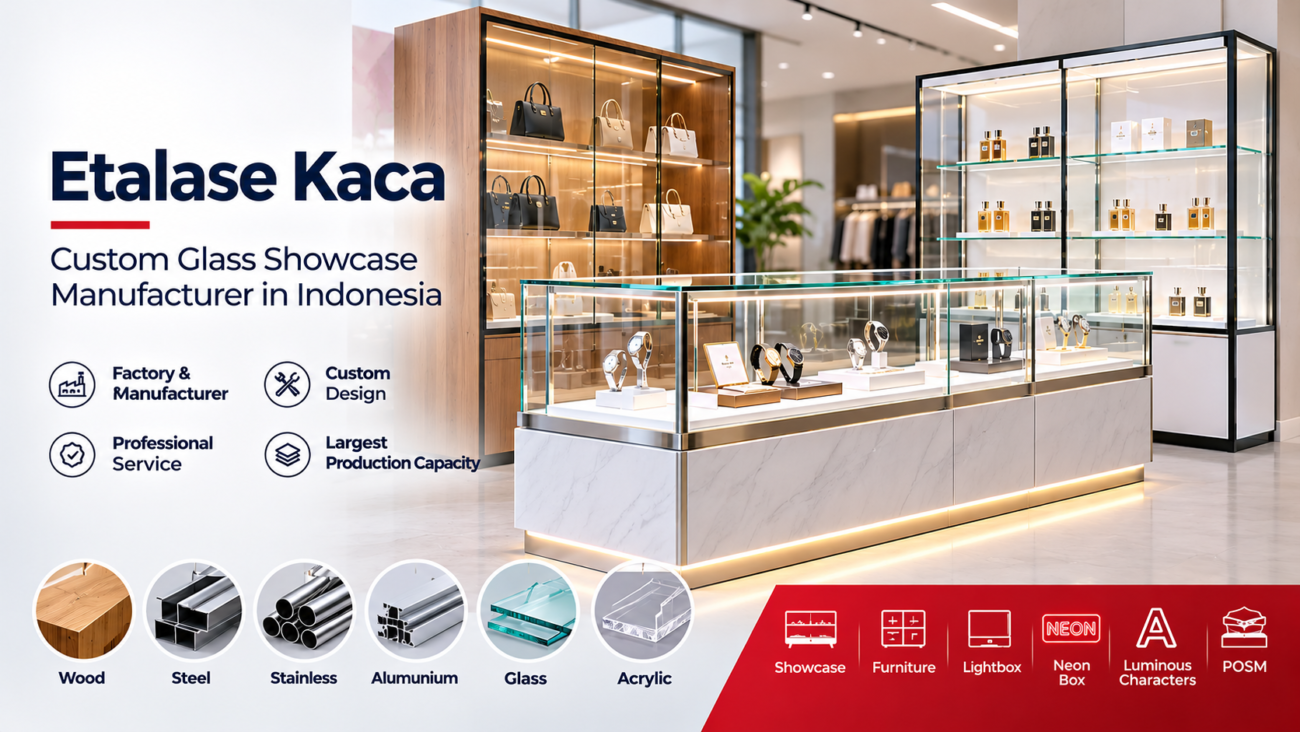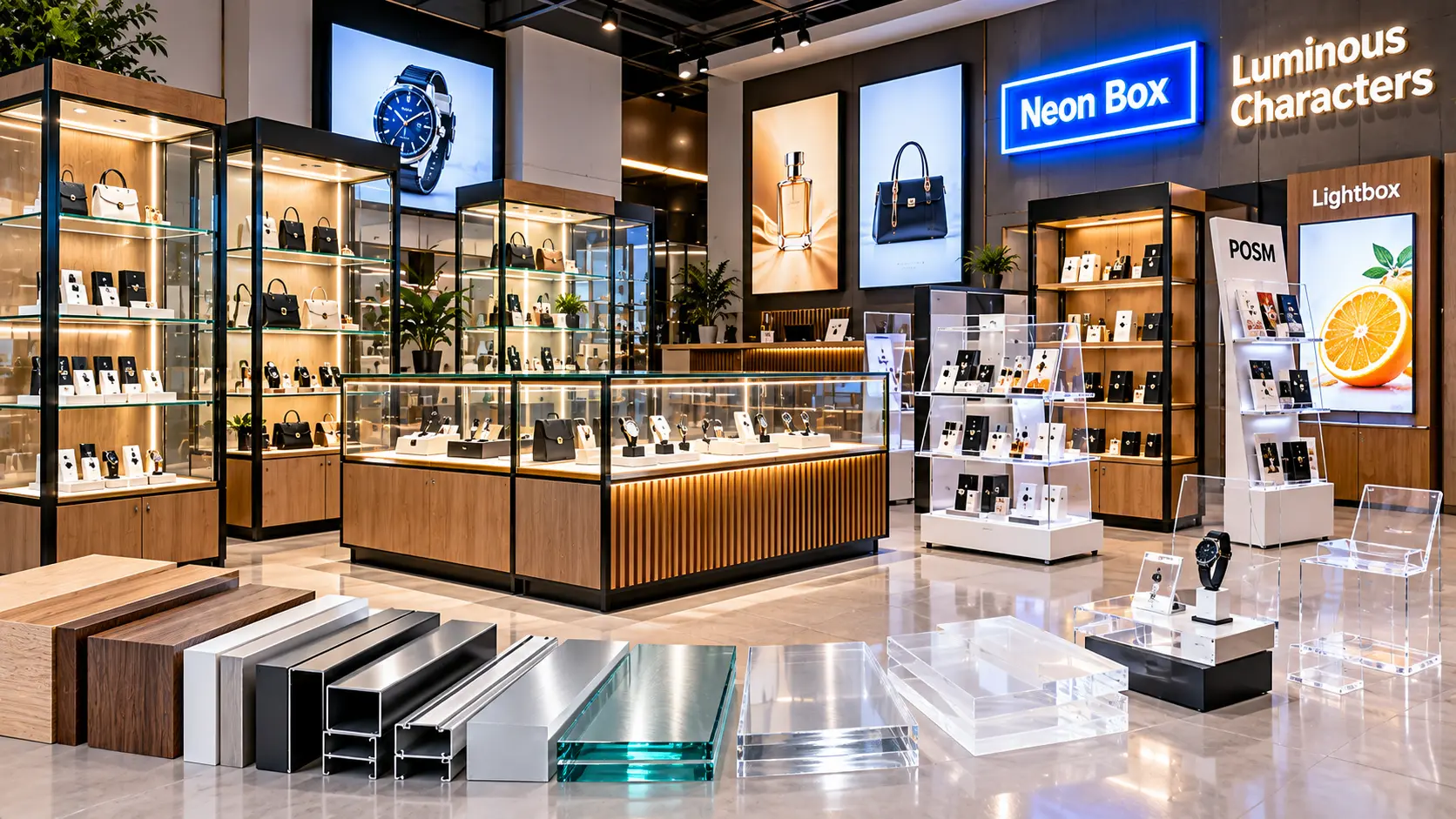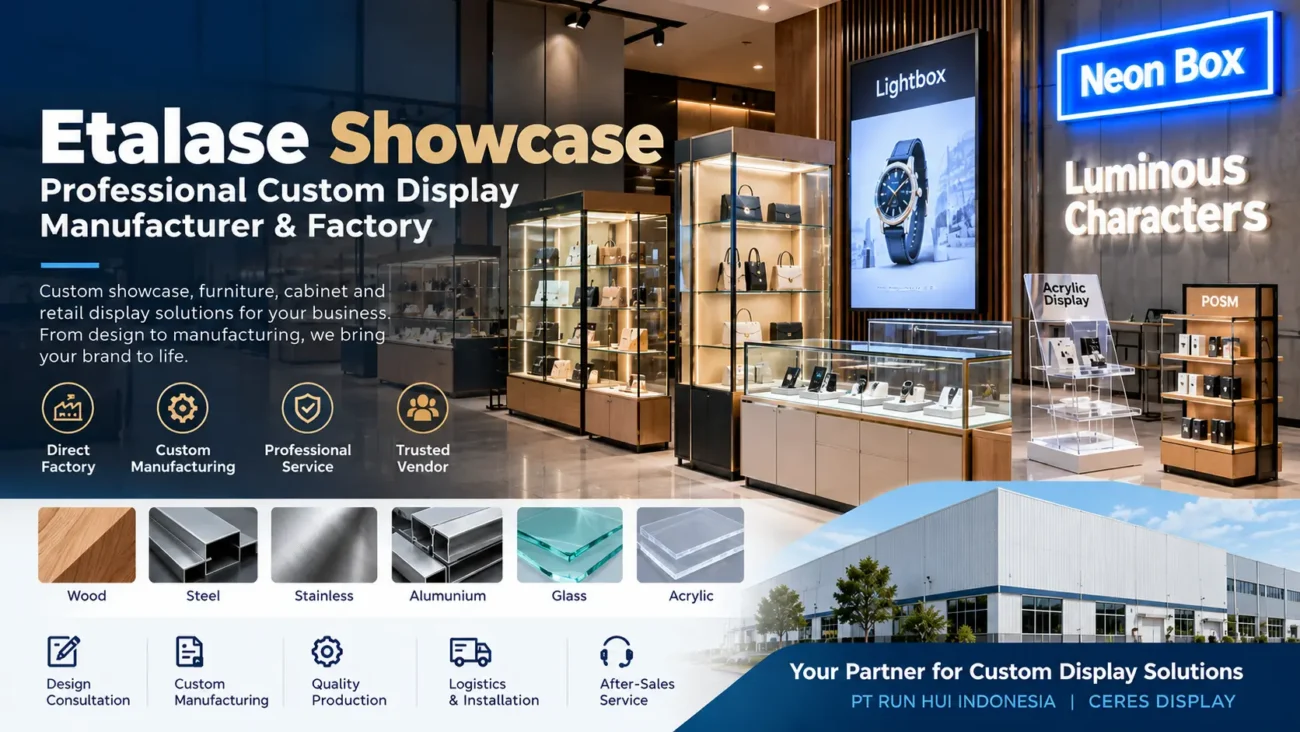


Display Factory Capabilities and Custom Manufacturing

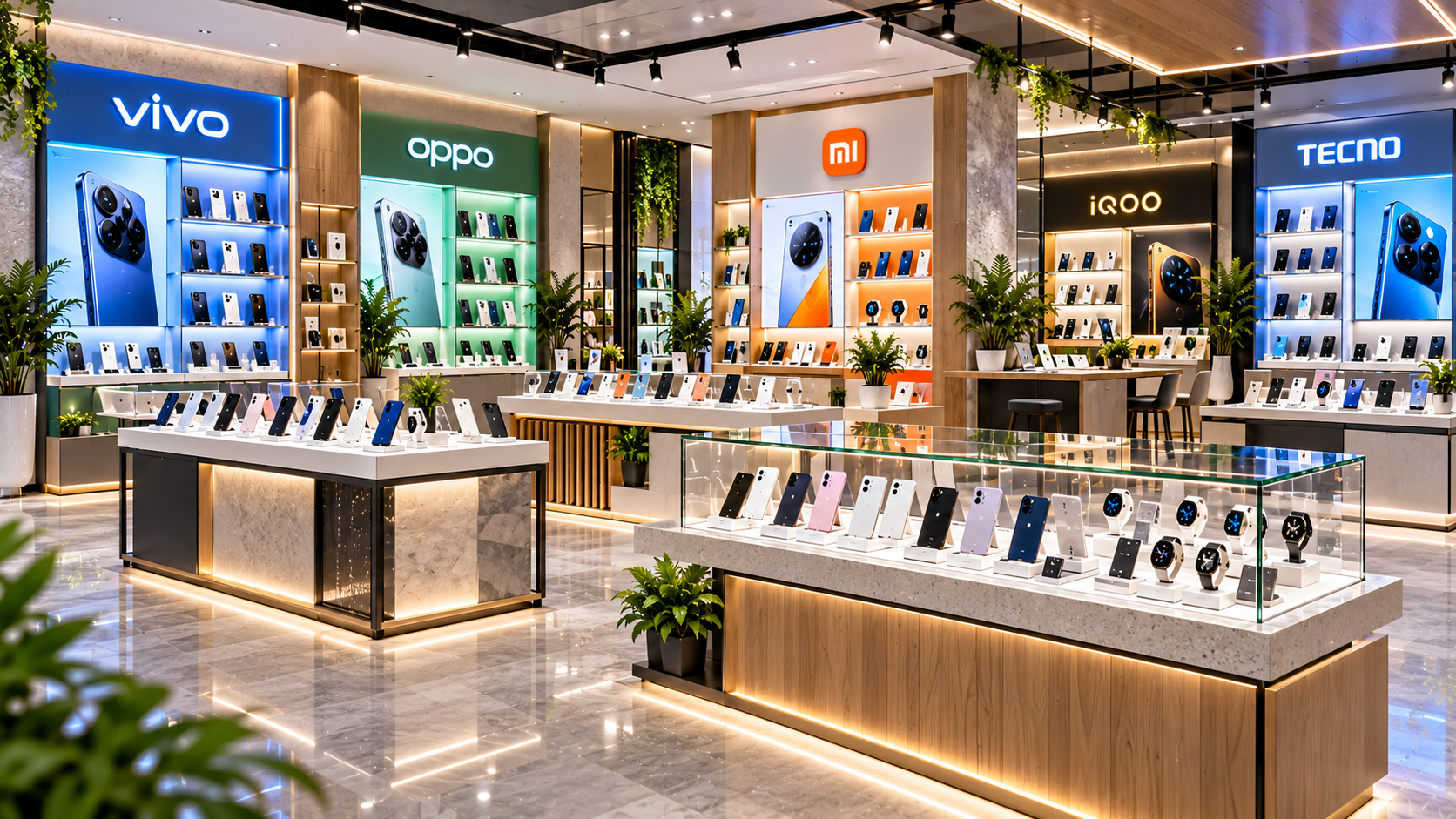
Businesses need display solutions that do more than present products. Retail fixtures, product stands, showcase cabinets, point-of-sale displays, and branded installations must support product visibility, store operations, and brand consistency. Choosing the right manufacturing partner helps businesses translate design concepts into practical display units that align with their project requirements.
PT Run Hui Indonesia provides custom display and manufacturing support for business projects through CERESDISPLAY. With a focus on customized solutions, material selection, and project-based coordination, businesses can explore display options developed around their intended applications, dimensions, visual requirements, and operational needs.
What Is a Custom Display Factory?
A custom display factory develops and manufactures display fixtures based on specific project requirements rather than relying exclusively on standard, ready-made products. This approach allows businesses to determine the dimensions, configuration, materials, finishes, and functional features required for their retail environments or commercial applications.
A custom display factory may support different product categories, including retail showcases, shop furniture, acrylic displays, signage structures, point-of-sale materials, and other product presentation fixtures.
For businesses managing store rollouts, product launches, promotional campaigns, or specialized retail environments, customized manufacturing can help maintain consistency between the original design concept and the final installation requirements.
The appropriate manufacturing approach depends on several factors, including product dimensions, material properties, quantity, finishing requirements, installation conditions, and project timelines.
Custom Display Manufacturing Capabilities
Custom manufacturing involves coordinating design requirements, material considerations, fabrication methods, assembly, and quality checks. The exact scope depends on the project specifications and the processes required.
1. Retail Fixture and Display Fabrication
Retail fixtures help organize products, improve visibility, and create a consistent shopping environment. They can be designed for different store layouts, product categories, and merchandising objectives.
Potential applications include:
- Freestanding display stands for product presentation.
- Countertop display units for checkout areas and promotional campaigns.
- Retail showcase cabinets for products that require structured presentation.
- Wall-mounted and modular fixtures for efficient space utilization.
- Custom furniture and display units for branded retail environments.
- Product holders and point-of-sale fixtures for specific merchandise.
Each unit can be developed around its intended function, available floor space, product dimensions, and visual presentation requirements.
2. Material Selection and Fabrication Planning
Material selection affects the appearance, durability, weight, maintenance requirements, and production considerations of a display. The most suitable combination depends on the intended environment and how the fixture will be used.
Common material options include:
Metal: Suitable for structural components, support frames, brackets, and display stands that require a rigid construction.
Wood and engineered panels: Often used for retail furniture, cabinet structures, counters, shelving, and display surfaces with a solid or finished appearance.
Acrylic: Useful for transparent product holders, promotional stands, protective covers, and display components where visibility is important.
Glass: Can be considered for showcase applications that require a clear view of displayed merchandise, subject to appropriate structural and safety requirements.
Aluminium profiles and composite materials: May be suitable for selected lightweight structures, modular configurations, and applications requiring specific finishing characteristics.
Material combinations can be evaluated according to the design, intended load, installation conditions, finish, maintenance needs, and budget. Final material specifications should be confirmed before production.
3. Prototype Development and Design Validation
Prototype development can help businesses evaluate a display concept before committing to a larger production run. Depending on the project, a prototype or sample may be used to assess dimensions, product fit, access, stability, finishing, and assembly requirements.
A structured development process may include:
- Reviewing the project brief, drawings, reference images, and product specifications.
- Confirming dimensions, intended use, material preferences, and functional requirements.
- Preparing or refining the design for manufacturing.
- Developing a prototype or sample when required and agreed upon.
- Reviewing the sample against the approved specifications.
- Finalizing the production requirements before proceeding.
This process helps identify design adjustments earlier and reduces the risk of misunderstandings between the design concept and the intended finished product.
Prototype availability, sampling methods, and approval stages should be agreed upon for each project.
4. Custom Finishing and Brand Presentation
Finishing contributes to the overall appearance and consistency of a display. Depending on the selected materials and project requirements, possible finishing considerations include surface coating, printed graphics, colour matching, edge treatment, lighting integration, and brand-related visual elements.
Potential methods may include powder coating for suitable metal components, UV printing for compatible surfaces, and other material-specific finishing techniques. Availability should be confirmed against the required specifications.
For multi-unit projects, documenting approved colours, finishes, dimensions, and artwork can help establish a consistent reference for subsequent production batches.
5. Assembly and Project Coordination
Display manufacturing requires coordination beyond individual components. Assembly requirements, packaging considerations, transportation, site conditions, and installation planning can influence the final design.
For example, a large retail fixture may need to be divided into manageable sections for transport, while a countertop unit may need integrated holders, cable access, or designated product compartments.
Planning these details early can help businesses evaluate practical considerations before production begins. Where required, logistics and installation arrangements should be defined according to the project location, scope, and agreed responsibilities.
Manufacturing Processes and Production Considerations
The manufacturing process for a custom display depends on the design, material selection, component specifications, and production quantity. Different projects may require different combinations of fabrication methods.
Possible processes to evaluate include:
- CNC cutting: For suitable materials and components requiring controlled dimensions.
- Laser cutting: For compatible sheet materials and selected detailed shapes.
- Metal fabrication: For frames, brackets, supports, and structural components.
- Woodworking and panel processing: For cabinets, counters, shelving, and furniture elements.
- Acrylic fabrication: For transparent display components, holders, and protective structures.
- Surface finishing: To achieve the specified appearance and material protection.
- Printing and graphic application: For approved branding and product communication elements.
- Assembly and inspection: To check the finished unit against the agreed project specifications.
Not every project requires all these processes, and not every process is necessarily performed in-house. The applicable methods, production arrangements, and quality checkpoints should be confirmed during project evaluation.
Custom Display Production for Different Business Needs
A custom display manufacturer may support a range of commercial applications. The most appropriate design depends on the products being presented, the environment, and the intended business objective.
Retail Stores and Showrooms
Retail stores may require display cabinets, product stands, shelves, counters, and coordinated furniture. Custom dimensions can help align fixtures with store layouts and product presentation requirements.
Consumer Electronics and Technology Products
Electronics displays may require dedicated product holders, secure mounting points, cable management, and space for demonstration units. Design decisions should consider the product dimensions, access requirements, and intended customer interaction.
Promotional Campaigns and Point-of-Sale Displays
Promotional fixtures are often developed for specific campaigns, product launches, or retail placements. Their design may prioritize product visibility, efficient assembly, transportability, and consistency with campaign artwork.
Multi-Location Retail Projects
Businesses preparing fixtures for multiple locations may need standardized dimensions, materials, finishes, and assembly specifications. Documented production requirements can support consistency across approved batches, subject to the agreed manufacturing scope and quality controls.
Branded Commercial Environments
Custom furniture, display cabinets, signage, and related fixtures can contribute to a coordinated brand environment. Combining these elements under a clear project specification can help maintain a consistent visual direction.
How to Choose a Professional Display Manufacturing Partner
Selecting a manufacturing partner involves more than comparing quotations. Businesses should evaluate whether the supplier understands the project requirements and can communicate clearly throughout the development and production stages.
Consider the following factors:
Relevant product experience: Review examples of display units, fixtures, furniture, or related products comparable to the intended application.
Design and specification review: Confirm how drawings, dimensions, material selections, artwork, and functional requirements will be reviewed before production.
Material and finishing recommendations: Discuss material suitability, maintenance requirements, expected usage, and visual expectations.
Prototype and approval arrangements: Establish whether a sample is needed, how revisions will be handled, and what constitutes final approval.
Production planning: Clarify the proposed quantities, lead times, batch arrangements, and dependencies before confirming the schedule.
Quality requirements: Agree on inspection criteria, acceptable tolerances, finishing standards, and procedures for addressing discrepancies.
Logistics and installation: Determine packaging, delivery, site access, assembly, and installation responsibilities where applicable.
Quotation transparency: Request a clear breakdown of the agreed scope, materials, quantities, finishing, services, and exclusions.
These considerations help establish a more transparent working relationship and provide a practical basis for evaluating potential manufacturing partners.
Our Approach to Custom Display Projects
At PT Run Hui Indonesia, projects under CERESDISPLAY can be discussed according to the client’s intended application, design direction, and manufacturing requirements.
A project may begin with a brief describing the product, target environment, approximate dimensions, reference images, and required quantity. These details help establish the initial scope and identify the information needed for further evaluation.
The general project workflow can include:
- Requirement Review — Understand the intended application, product specifications, quantity, and project objectives.
- Design Development — Review drawings, references, dimensions, materials, and functional requirements.
- Sample or Prototype — Evaluate whether sample development is appropriate for the project.
- Production Planning — Confirm approved specifications, quantities, finishing, schedule, and scope.
- Manufacturing and Quality Checks — Coordinate the agreed production processes and inspections.
- Logistics and Installation Planning — Define delivery arrangements and installation requirements where included.
- After-Sales Coordination — Establish the appropriate communication and support arrangements for the completed project.
The actual workflow may vary depending on project complexity, product category, quantity, and agreed services. Specific manufacturing capabilities, production capacity, lead times, and service availability should be confirmed during consultation.
Why Consider a Custom Display Manufacturing Solution?
A customized manufacturing approach can provide several practical advantages for businesses with specific display requirements.
- Application-specific design: Dimensions and features can be planned around the intended product and environment.
- Material flexibility: Options can be assessed according to structural, aesthetic, and maintenance requirements.
- Brand consistency: Approved specifications can serve as a reference for coordinated display units.
- Project-based planning: Design, production, logistics, and installation considerations can be reviewed as part of the project scope.
- Scalable specifications: Where suitable, an approved design can provide a reference for additional units or future batches.
The benefits depend on the final design, manufacturing arrangements, material selection, and execution of the agreed specifications.
Request a Custom Display Manufacturing Quotation
Looking for a manufacturing partner for retail fixtures, display cabinets, product stands, acrylic displays, shop furniture, or point-of-sale materials?
PT Run Hui Indonesia, through CERESDISPLAY, welcomes project enquiries for customized display solutions. Share your requirements so the team can review the intended application and discuss the appropriate next steps.
To support an initial evaluation, prepare the following information:
- Product category and intended application.
- Reference images, sketches, or technical drawings.
- Approximate dimensions and preferred materials.
- Required quantity and potential repeat-production needs.
- Finishing, branding, or lighting requirements.
- Delivery location and target completion date.
The more complete the project brief, the easier it is to assess the scope and identify the details required for a quotation.
CONTACT US
Related Products
Explore a wide range of custom display, signage, furniture, and branding solutions from CERESDISPLAY.ID.
Showcase Display | Store Furniture | Neon Box | 3D Letters | Acrylic Display | Outdoor POSM | Clothing & Garments
Connect with CERESDISPLAY.ID
Explore our manufacturing portfolio, latest projects, workshop activities, and company updates through our social media channels.