


Retail Display Manufacturing: Challenges from Design to Production

Why Many Retail Displays Fail to Meet Expectations
On paper, a retail display almost always looks perfect. Clean 3D visuals, modern compositions, and premium concepts often give brands full confidence that the final result will match their expectations. However, once the design moves into the production stage, many brands begin to realize that reality on site is far more complex than what appears on screen.
It is not uncommon for brands to face results that fall short of expectations. From materials that feel less solid, finishing that lacks precision, to small details that reduce the overall premium impression. In some cases, production delays even impact store opening schedules or planned campaigns. These challenges often originate from one critical phase that is frequently underestimated, the transition from design to production.
The Gap Between Design and Production Reality
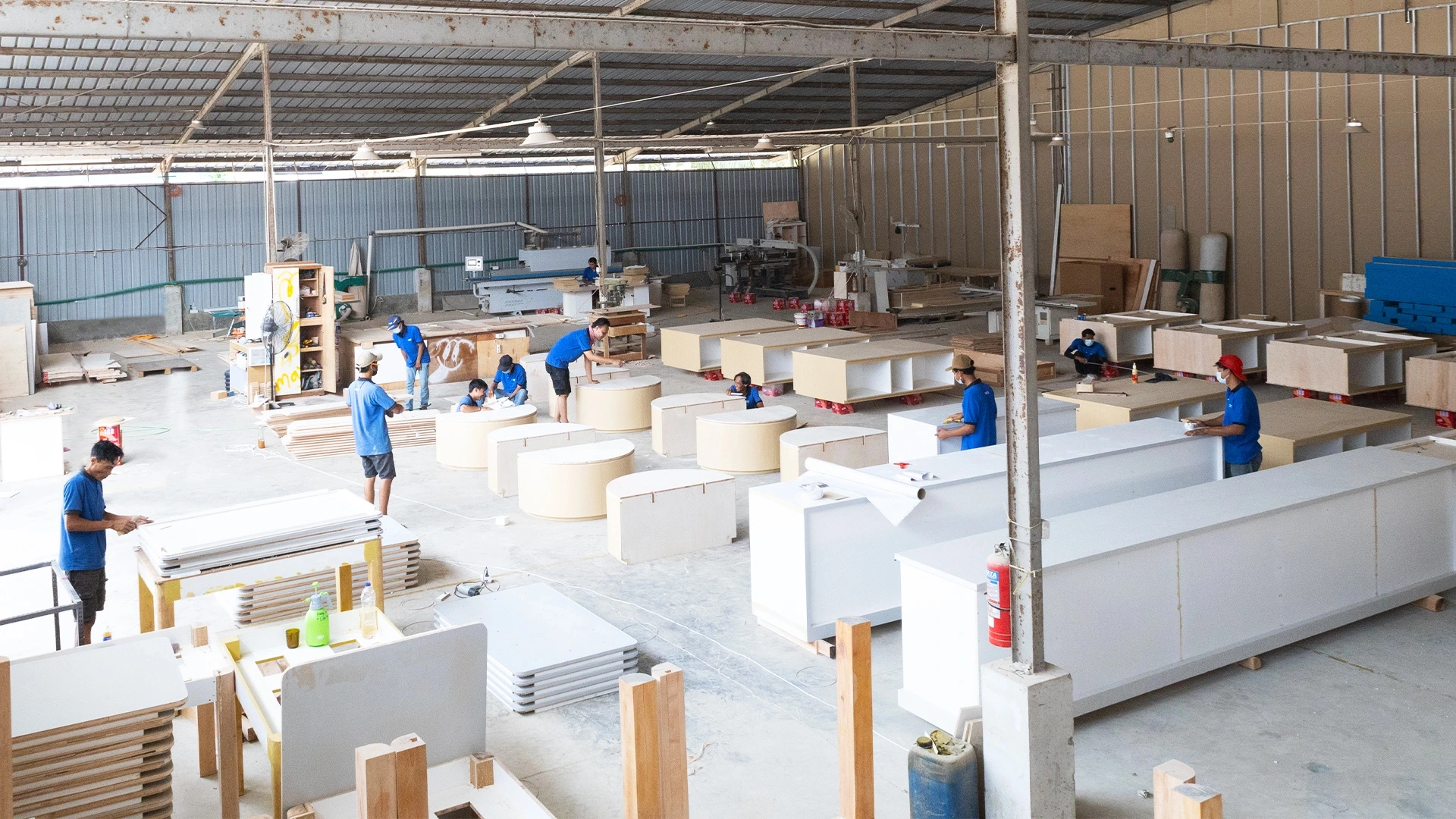
One of the most common issues in retail display manufacturing is the gap between visual design and actual production results. Designs are often created with an ideal visual approach, focusing heavily on aesthetics without fully considering technical limitations in real world execution.
Elements that seem simple in design can become highly complex when brought into physical form. Materials behave differently, structures must remain durable, and every detail must be consistently produced. Without sufficient experience, this process often leads to compromises. Where the design is simplified and the visual quality is reduced. This is why aligning design with production feasibility from the beginning is essential.
Material Selection: Small Differences, Big Impact
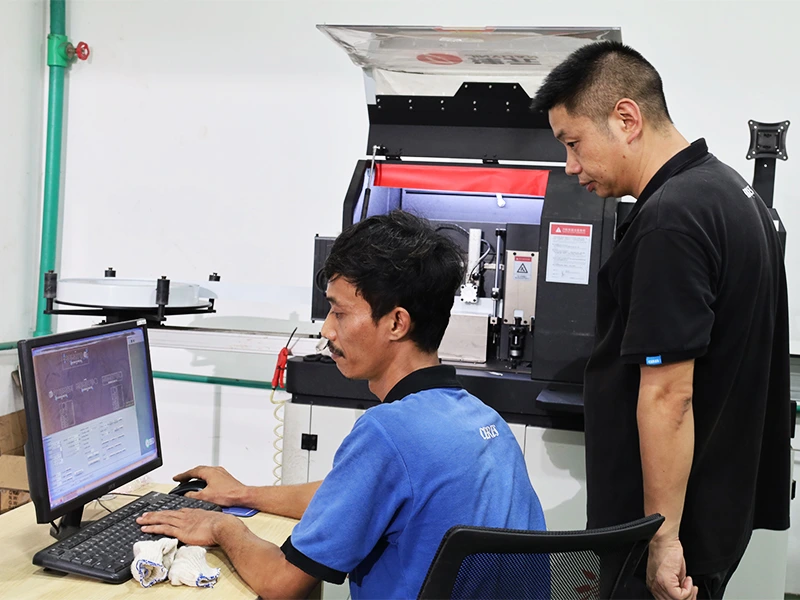
Material selection is another crucial factor that is frequently underestimated. Not all materials deliver the same result, even if they appear visually similar at first glance. Small differences in material quality can create significant differences in perception.
A display that is intended to look premium can end up looking average simply because the materials used do not meet proper standards. Choosing materials based solely on cost often leads to long term issues, both visually and structurally. A deeper understanding of materials and transparency in their selection is key to maintaining the intended brand image.
Finishing and Details Define Brand Perception
As the project moves into the finishing stage, attention to detail becomes even more critical. Elements such as joints, color consistency, lighting, and logo precision play a major role in determining whether a display appears professional or not.
In retail environments, customers may not consciously notice these details, but they will certainly feel the difference. Poor finishing can subtly lower the perceived value of a brand, while precise and clean execution reinforces a premium image. In this context, details are not minor. They are decisive.
Production Timeline and Execution Challenges
Production timelines are another common source of issues in retail display projects. Delays often occur not because of a single major problem, but due to an accumulation of smaller factors such as design revisions during production, inadequate planning, or limited workshop capacity.
When timelines are not properly managed, the impact can extend beyond production. Store openings may be delayed, campaigns disrupted, and operational costs increased. This makes proper project management and realistic scheduling essential for successful execution.
Communication: The Overlooked Factor
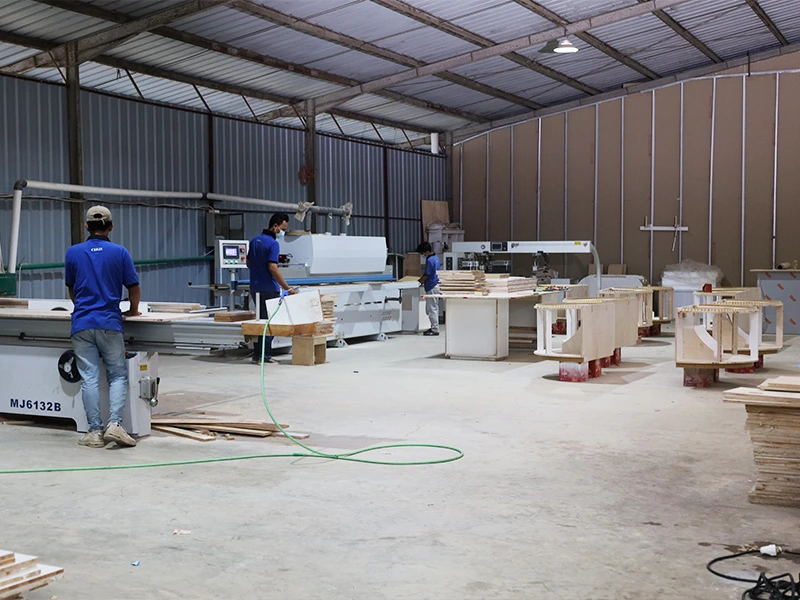
Another challenge that often goes unnoticed is communication. Without clear updates and transparency from the vendor, clients may lose visibility over the progress of their project.
Even small, uncommunicated changes can lead to significant differences in the final outcome. By the time the issue is discovered, it may already be too late to make adjustments efficiently. Consistent communication throughout the process is therefore critical to ensuring alignment and avoiding misunderstandings.
Why the Right Vendor Makes All the Difference
All these challenges point to one key conclusion: the success of a retail display project depends heavily on how well the entire process is managed from the beginning. Retail display manufacturing is not just about execution. It's about ensuring that every stage, from design and material selection to production and installation, is handled with consistency and precision.
An experienced vendor does more than simply manufacture. They act as a bridge between concept and reality, ensuring that design integrity is maintained while remaining feasible for production. They understand how to select the right materials, manage timelines effectively, and execute every detail to a high standard.
Delivering Displays That Meet Expectations
We understand that for any brand, a retail display is not just a functional element. It's a direct representation of brand identity that interacts with customers. That is why every project we handle is approached with a comprehensive and professional process.
From aligning design with production feasibility, selecting high quality materials, maintaining precise finishing standards, to ensuring timely delivery, every step is carefully managed to achieve results that truly meet expectations.
If you are planning a retail display manufacturing project and want to avoid common pitfalls, the best approach is to start with the right strategy and the right partner. Work with a team that understands the full process, and achieve results that are not only visually appealing in design but also exceptional in real world execution.
Consult your retail display needs with our team today!