


Retail Display Mistakes: 7 Powerful Insights Brands Must Know


Retail display mistakes are more common than most brands realize, and they often happen not because of a lack of effort, but because of a lack of strategic direction. A retail display is not just a visual element. It is a silent salesperson that influences how customers move, what they notice, and ultimately what they decide to buy.
Many brands invest significantly in display projects, expecting a strong impact. The store looks more attractive, the environment feels more premium, yet the results do not always translate into better engagement or higher sales. When this happens, the issue is rarely about budget. It's about execution.
Understanding the most common retail display mistakes is the first step toward creating displays that not only look impressive, but actually perform.
1. Focusing Only on Design, Not Functionality
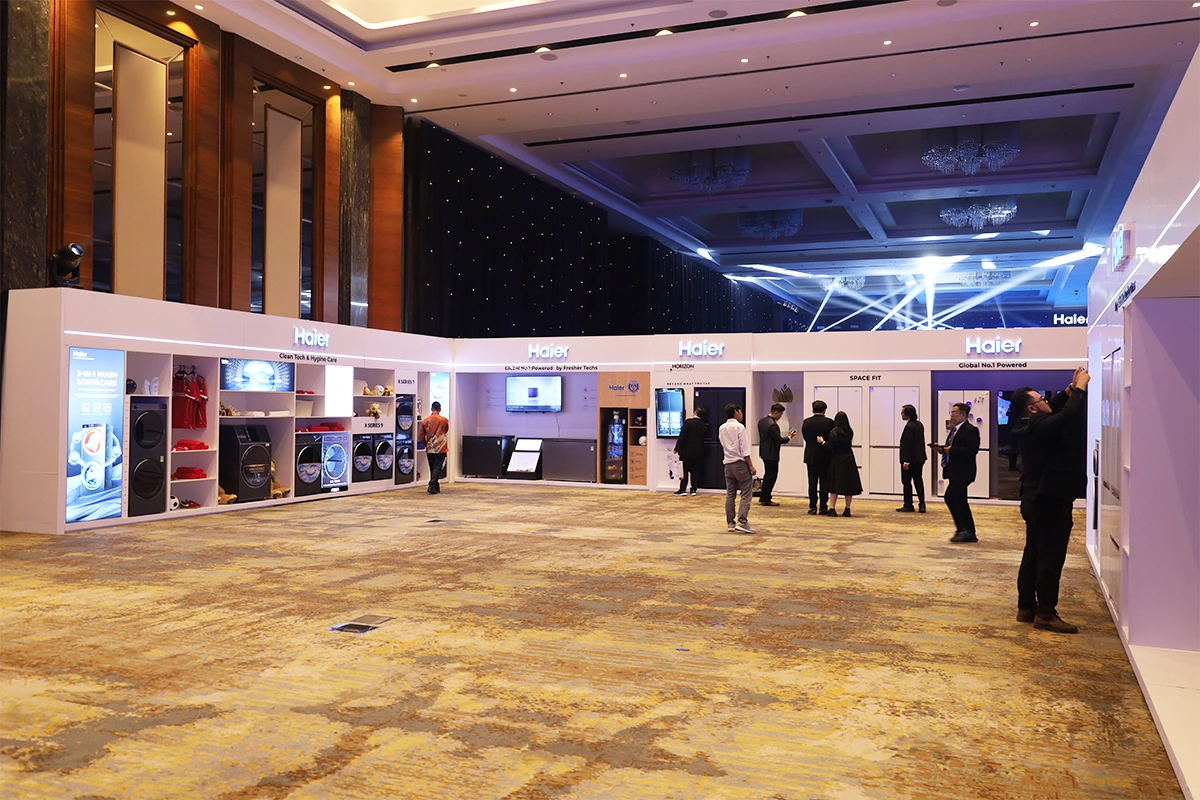
One of the most frequent retail display mistakes is prioritizing visual appeal over real world usability. It is easy to fall in love with a design that looks stunning in a presentation. Clean lines, premium finishes, perfect lighting. However, once the display is installed, reality often tells a different story.
Customers may hesitate to approach it because it feels too “untouchable.” Products might be slightly out of reach, or the interaction is not intuitive. Even staff may find it inconvenient to maintain or restock. In the end, the display becomes something that is admired from a distance rather than used.
It's similar to owning a beautifully designed chair that no one wants to sit on.
A successful retail display must balance aesthetics with functionality. It should invite interaction, not just attention.
2. Choosing the Wrong Materials
Another critical retail display mistake lies in material selection. At the beginning, everything looks perfect. But over time, the weaknesses start to show. Surfaces get scratched, colors fade, edges wear out, and the overall impression declines.
This usually happens when materials are chosen based solely on cost or initial appearance, without considering long term usage. In a retail environment where displays are constantly touched, cleaned, and exposed to different conditions, durability is not optional. It is essential.
More importantly, customers subconsciously associate the quality of your display with the quality of your brand. A display that looks worn out sends a subtle but powerful message, "this brand does not maintain it's standards".
Choosing the right materials means thinking beyond the first impression and considering how the display will perform over time.
3. Ignoring Store Layout and Customer Flow
A display can be perfectly designed, yet completely ineffective if placed in the wrong location. This is one of the most overlooked retail display mistakes.
Imagine a display positioned too close to the entrance. Customers are still adjusting to the environment and are unlikely to engage. Or a display placed in a way that disrupts natural movement, making the space feel cramped and uncomfortable. In some cases, a display may even be hidden behind other elements, losing its visibility entirely.
Retail is not just about what customers see. It's about how they move.
A well planned display should align with the natural flow of the store, guiding customers intuitively without forcing their attention.
4. Lack of Brand Consistency
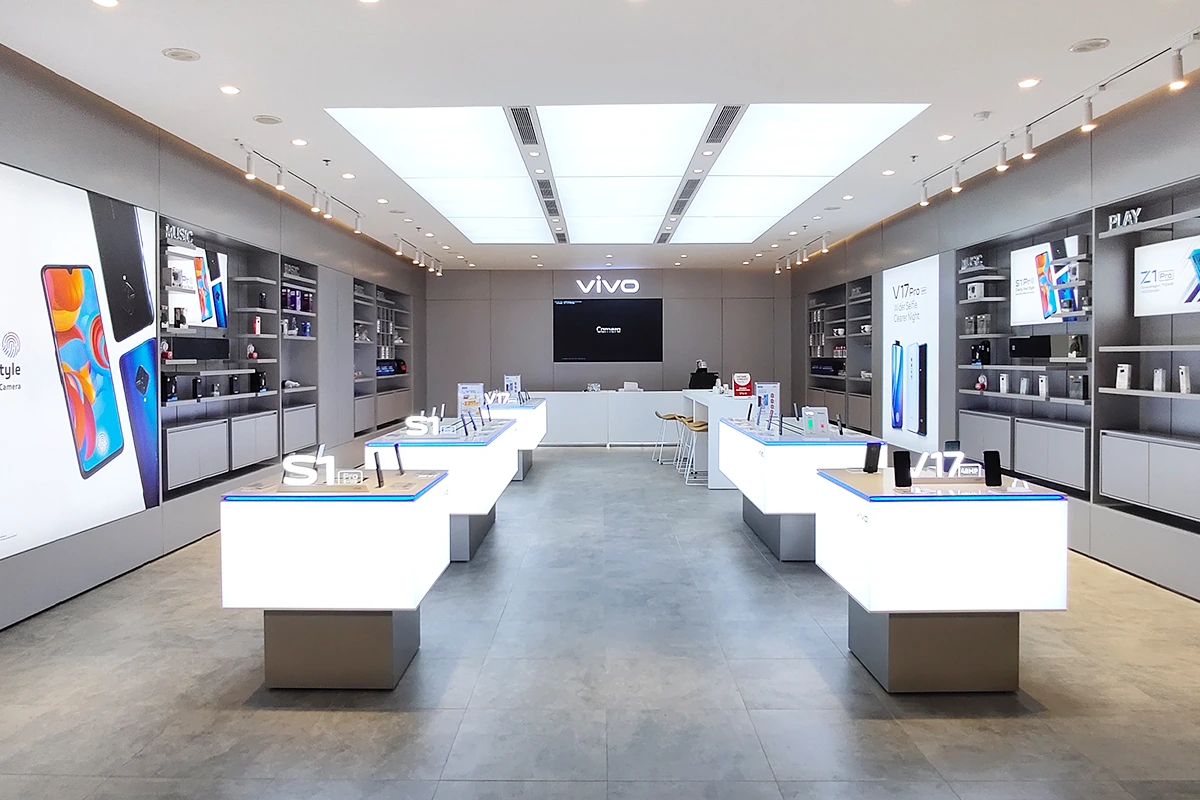
Inconsistency in design is another subtle but impactful retail display mistake. A store may contain multiple displays that, individually, look appealing. However, when combined, they feel disconnected.
Different finishes, mismatched colors, inconsistent lighting, and varying design styles can create a fragmented brand image. Customers may not consciously analyze these details, but they will feel the lack of cohesion.
Brand consistency is what transforms individual elements into a unified experience. Without it, even high quality displays can fail to deliver a strong brand identity.
5. Underestimating Installation Complexity
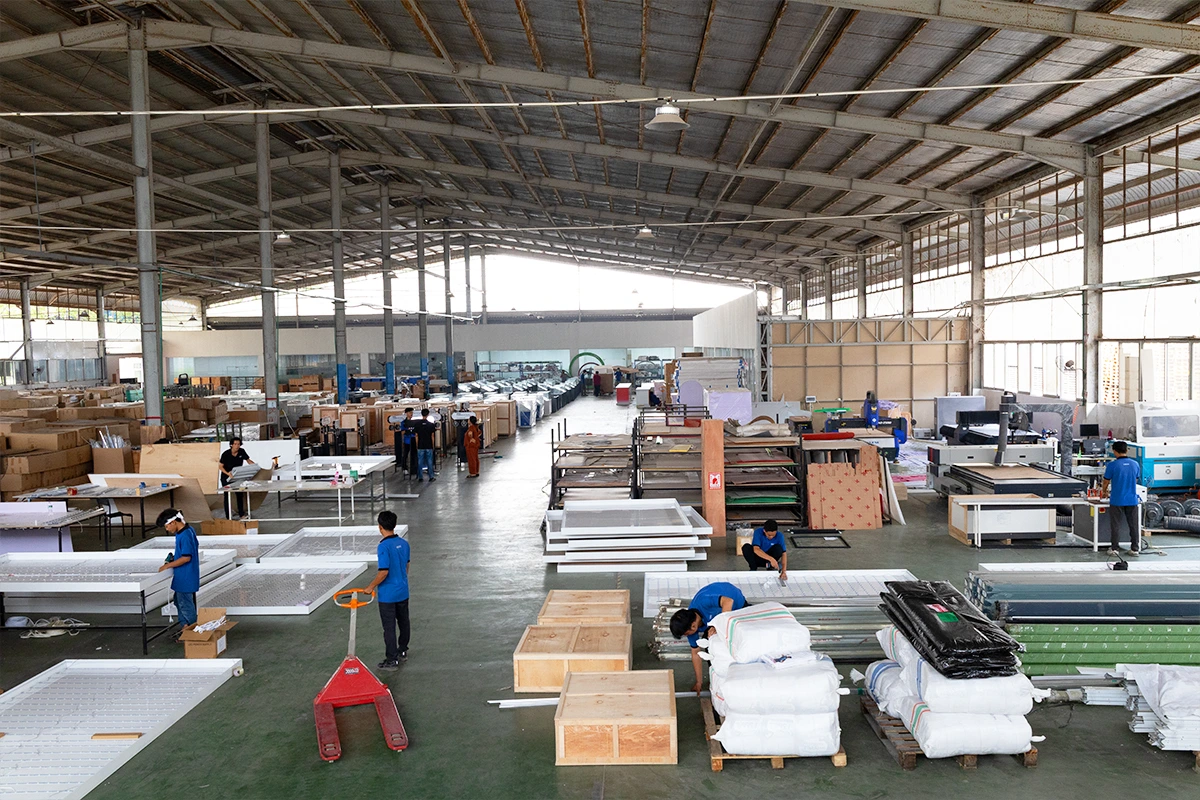
Installation is often underestimated, yet it is one of the most critical phases in any retail display project. Many brands assume that once production is complete, installation will be straightforward.
In reality, this is where many retail display mistakes occur.
Measurements may not perfectly match on site conditions. Electrical requirements may not be fully prepared. Adjustments may need to be made quickly, sometimes compromising the original design intent.
Installation is where planning meets reality. Without proper preparation, even the best design can lose its impact during execution.
6. Not Planning for Scalability
A display that works beautifully in one location does not automatically work everywhere. This is a common challenge, especially for growing brands.
What starts as a custom solution for a flagship store can become difficult to replicate across multiple branches. Differences in space, layout, and operational needs can create inconsistencies, increase costs, and slow down expansion.
Scalability is often overlooked in the early stages, but it becomes crucial as the business grows.
A well designed retail display should not only solve today’s needs, but also support tomorrow’s expansion.
7. Choosing the Wrong Manufacturer
At the core of many retail display mistakes is the choice of manufacturer. Even the best concept can fail if it is not executed properly.
An inexperienced or unreliable manufacturer can lead to inconsistent quality, missed deadlines, and results that do not align with expectations. More importantly, poor communication can turn a straightforward project into a complicated process.
A manufacturer is not just a vendor, they are a strategic partner. The right partner understands your goals, anticipates challenges, and ensures that the final result meets both functional and aesthetic standards.
To better understand the full process, you can read our article about
Conclusion
Retail display mistakes are rarely obvious at the beginning, but their impact becomes clear over time. What seems like a small oversight can affect customer experience, brand perception, and ultimately, sales performance.
By approaching display projects with a deeper level of strategy. Considering functionality, materials, layout, consistency, installation, scalability, and the right partners. Brands can transform their displays into powerful business tools.
Because in the end, the most effective retail display is not the one that looks the most impressive, but the one that works seamlessly in the real world.
If you are planning a retail display project and want to avoid these common mistakes, working with the right team can make all the difference. A well executed display is not just about design. It's about understanding your brand, your space, and your customers.
Feel free to explore how a professional approach to custom retail display solutions can help bring your vision to life with better results and fewer risks.