

Why Material Selection Matters in Branding & Display Projects

A well designed display can attract attention in seconds, but the wrong material choice can undermine its performance in months.
In branding and display projects, what customers see on the surface is only part of the story. Behind every visually successful display lies a series of technical decisions that determine how long it lasts, how it performs, and how the brand is ultimately perceived.
One of the most critical yet often underestimated decisions is material selection. The materials used directly influence durability, visual quality, functionality, and suitability for real world environments.
Understanding why material selection matters helps businesses create branding displays that are not only visually appealing but also reliable and effective over time.
Material as the Foundation of Display Performance
Every display structure relies on its materials to perform properly. Factors such as load bearing capacity, resistance to wear, and structural stability are determined largely by material choice.
For example:
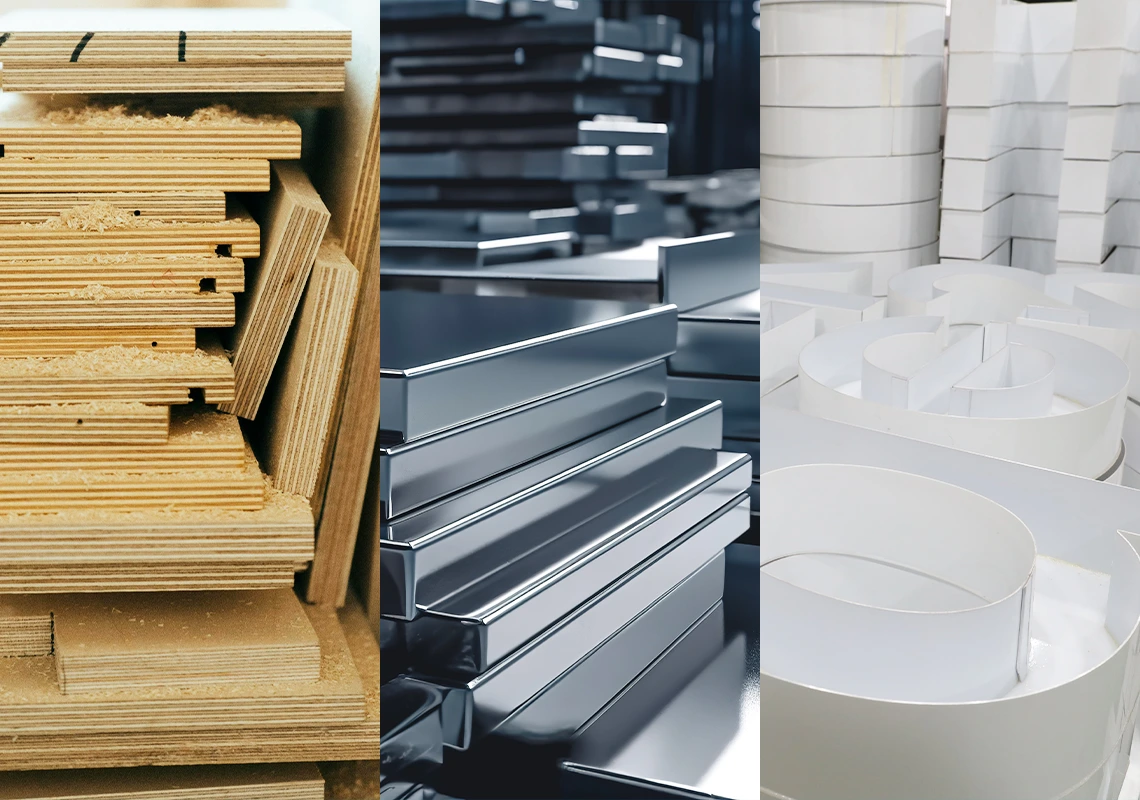
Metal structures provide strength and long term durability
Acrylic offers clarity, precision, and a modern aesthetic
Wood based materials create warmth and a premium feel
Selecting materials based on functional requirements ensures that displays remain safe, stable, and visually consistent throughout their lifespan.
Impact on Visual Quality and Brand Perception
Materials strongly influence how a brand is perceived. Surface texture, color consistency, reflectivity, and finishing quality all contribute to the overall impression created by a display.
High quality materials help:
Maintain clean and professional visual standards
Support accurate brand color representation
Enhance perceived product value
Inconsistent or unsuitable materials can undermine even the best design concepts.

Durability and Environmental Considerations
Branding and display installations often face different environmental conditions, such as indoor retail spaces, high traffic areas, or outdoor exposure.
Material selection plays a key role in addressing:
Moisture and temperature changes
UV exposure and fading
Daily wear from customer interaction
Choosing the right materials reduces maintenance needs and extends the operational life of branding displays.
Compatibility with Manufacturing Processes
Not all materials behave the same during manufacturing. Cutting accuracy, bending tolerance, welding strength, coating adhesion, and print quality are all affected by material properties.
From a production perspective, proper material selection:
Improves manufacturing precision
Ensures consistent results across multiple units
Reduces production errors and rework
Materials must align with both design intent and manufacturing capabilities.

Cost Efficiency Over the Project Lifecycle
While material cost is often considered during initial budgeting, long term efficiency is equally important. Materials that require frequent repair or replacement can increase total project costs over time.
Thoughtful material selection helps:
Balance upfront cost and long term value
Minimize replacement and maintenance expenses
Support scalable production for large projects
This approach leads to more sustainable and predictable project outcomes.
Conclusion
Material selection is a fundamental aspect of successful branding and display projects. Beyond aesthetics, it affects performance, durability, manufacturability, and overall brand perception.
By carefully considering functional requirements, environmental conditions, and production processes, businesses can ensure that their branding displays perform reliably and represent their brand effectively over time.
For companies planning branding or display projects, discussing material options early in the process can help align design goals with performance expectations. CERES is available to support material consultation and custom display development tailored to specific branding needs.